Fiiish Crazy Sand Eel: how to hit a feeding frenzy while it lasts
The right lure in the wrong spot still catches nothing. CarnaFish spots the zone that works, from a single photo.
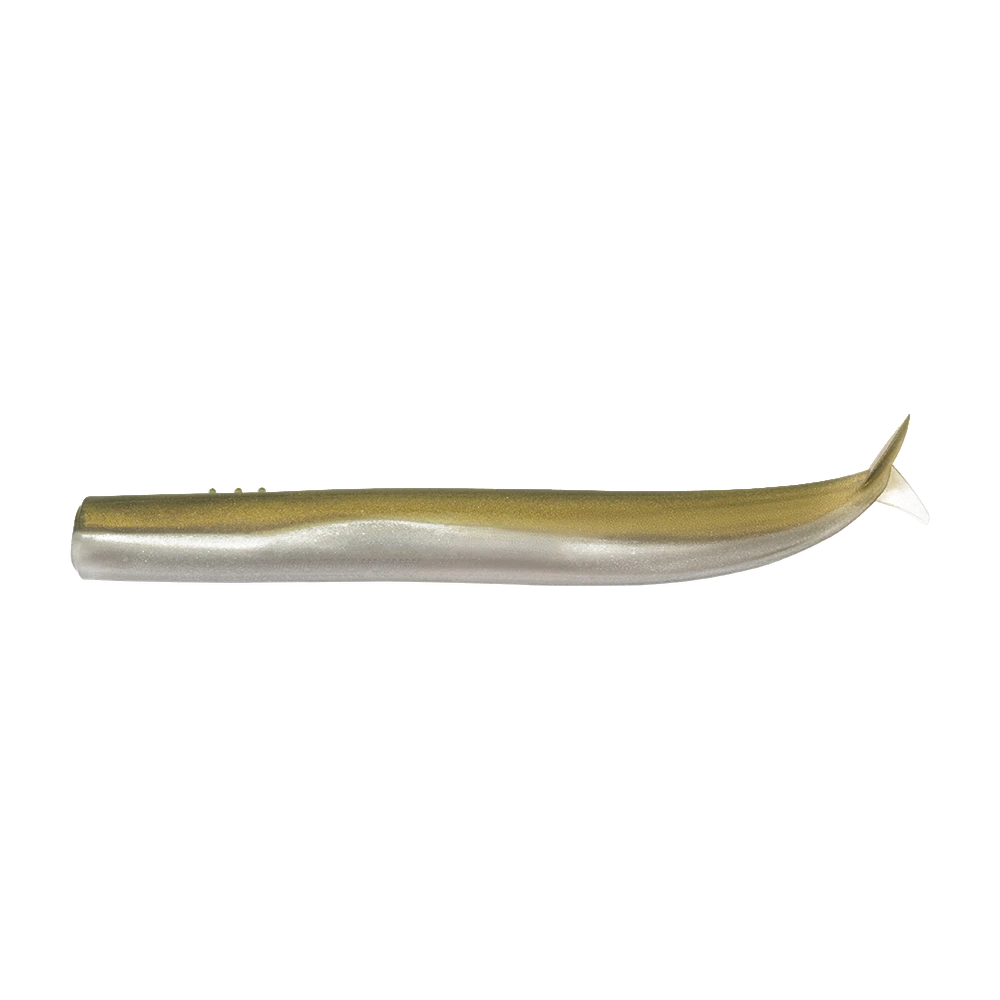
A sea bass or mackerel feeding frenzy rarely lasts more than three or four minutes. By the time you've spotted the diving birds, run to the water's edge and cast, it can already be over. The Crazy Sand Eel was built for exactly this moment: an ultra-slim sandeel profile, casting distance that reaches a frenzy out past the shorebreak, and a swim that triggers a strike on the very first pass — because a second cast doesn't always arrive in time.
Why a sandeel profile beats a shad here
During an active frenzy, bass and mackerel are locked onto a single prey: sandeels, thin elongated baitfish that flee in tight surface schools. A fat-bodied shad, however well fished, looks out of place in that moment — the silhouette doesn't match what the predators have on their mind right then. The Crazy Sand Eel's slim profile and quick action match the exact prey item at that moment, which often turns a difficult frenzy into an easy one.
Reading a frenzy before you cast
Before you even reach for the lure, look for:
- Diving birds (terns, tightly-diving gulls): a more reliable sign of an active frenzy underneath than anything visible on the surface itself.
- The direction the school is moving: a frenzy travels — there's no point casting behind it. Read its trajectory and cast ahead.
- Likely duration: mackerel frenzies generally last longer than bass ones, which tend to be shorter and more unpredictable.
Field rule: never chase a frenzy by running toward where it is — run toward where it will be in thirty seconds.
Matching the head to the distance
- 15 g Shore: a frenzy close to shore, under 40 m, fishing high in the water column.
- 25 g Search: the most common distance/depth compromise, for a frenzy a bit further out or for scanning between two frenzies.
- 35 g Offshore: a distant frenzy or a headwind that ruins accuracy with a lighter head — it catches the wind and carries further.
Working it during and after the frenzy
While the frenzy is active, a fast, erratic retrieve — two or three sharp cranks, a micro-pause, crank again — mimics the panic of a sandeel school under attack and triggers reaction strikes from both bass and mackerel.
Once the frenzy dies down (and it always does), don't put the lure away: fish often hold underneath where it happened, digesting or waiting for another pass. A slow, deliberate retrieve, letting the Crazy Sand Eel sink before bringing it back, often keeps producing for another ten minutes.
Not sure what to tie on?
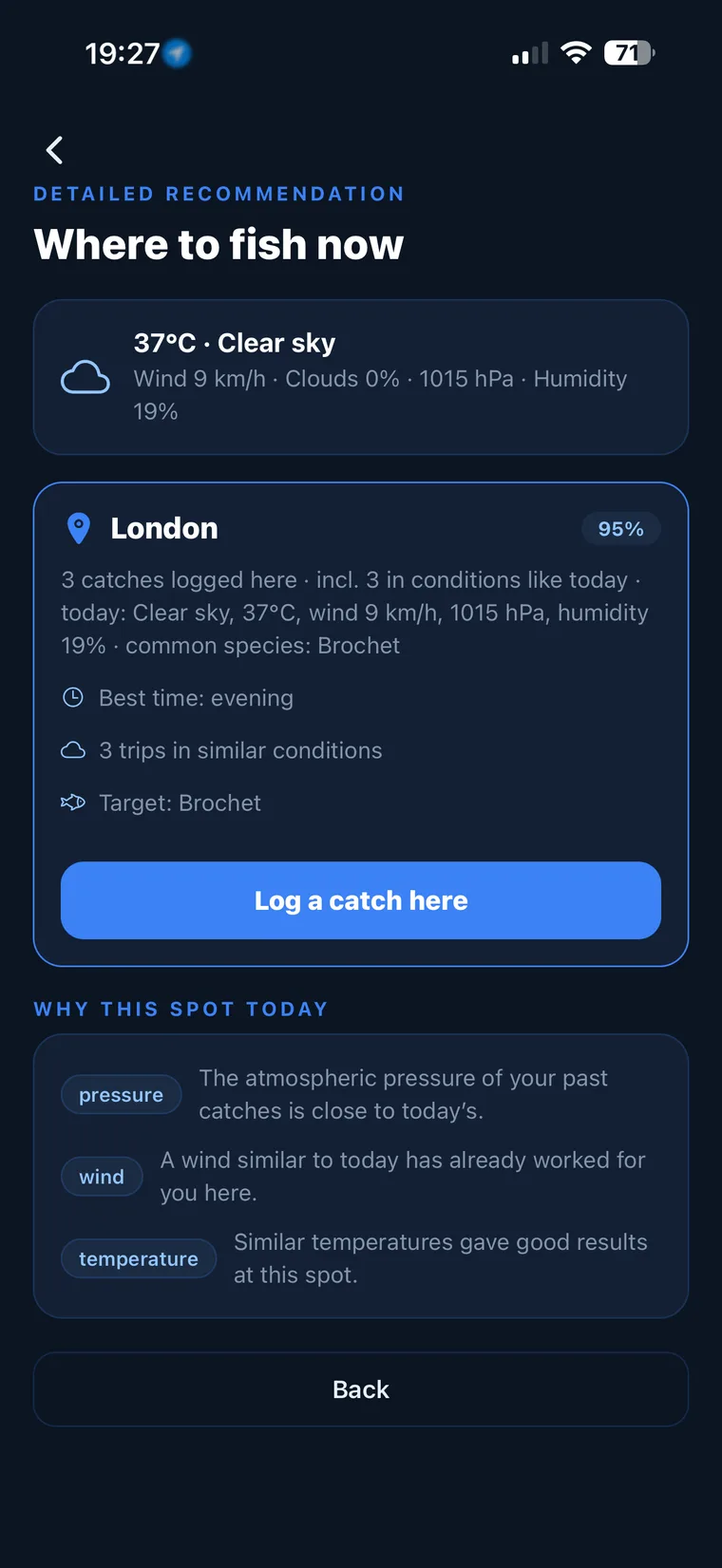
Photograph your spot: CarnaFish reads the scene, cross-checks the conditions and gives you the zone, the lure and the retrieve. Free on iOS and Android.
Two species, one fall speed
Mackerel and bass react differently to the same presentation, even on the same frenzy. Mackerel, greedier and less wary, happily hit a fast straight retrieve. Bass, more cautious, often prefer a retrieve with pauses even mid-frenzy — that's where the Crazy Sand Eel earns its keep: its action stays attractive across the whole speed range, so you don't need to swap lures between species while the frenzy is still on.
Colour by light
- Clear water, bright sun: Sardine, a natural tone that doesn't stand out in clear water.
- Rough surf or low light (dawn, dusk): Fluo Pink, contrast that stays visible even in churned-up water.
- Wary fish in very clear water: Khaki, a duller tone that reassures schools that have seen heavy fishing pressure.
Spotting a frenzy is often about instinct and time on the water — one of many angles covered in our guide to fishing sea bass on lures, tides included, since a frenzy almost always kicks off during an active current phase. To avoid missing the windows where a frenzy is most likely, CarnaFish cross-references the tide, marine forecast and time of day and tells you when to head out instead of watching the water at random.
Key takeaways
- Slim profile that matches the sandeel — the exact prey targeted during a frenzy.
- Spot diving birds and read the school's trajectory before you cast.
- Fast, erratic retrieve during the frenzy, slow once it stops.
- Three heads (15/25/35 g) to cover a close frenzy through to a distant one.
FAQ
How do I know a sea bass or mackerel frenzy is starting?
Diving birds are the best indicator, often visible before any surface disturbance. Terns or gulls diving in a tight cluster almost always signal an active frenzy underneath.
Should I run toward a frenzy the moment I see it?
Read its trajectory instead: a frenzy moves with the baitfish school, so casting where it is the moment you arrive often means casting too late. Aim for where it'll be a few seconds from now.
What's the difference between targeting bass and mackerel during a frenzy?
Mackerel take a fast, straight retrieve readily, while bass stay more sensitive to a retrieve with pauses even mid-frenzy. The Crazy Sand Eel stays effective at both, so there's no need to change lures.
What should I do once a frenzy stops?
Don't leave the area right away — fish often hold underneath, digesting. A slow retrieve, letting the lure sink before bringing it back, frequently keeps producing for several more minutes.
Which head reaches a distant frenzy?
The 35 g Offshore head casts furthest, especially into a headwind, where a lighter head loses both distance and casting accuracy.
Does the Crazy Sand Eel work outside of feeding frenzies?
Yes — fished slower during normal prospecting, it reads very well as a lone sandeel, an effective presentation even with no visible surface activity.
The full sea bass lure guideSeason-by-season strategy: which family of lure, when, and why.Go from theory to fish
CarnaFish reads your spot from a photo and gives you the game plan: zone, lure, retrieve. Free on iOS and Android.