Illex SK-Pop Grande 65: the popper for dawn and dusk sea bass
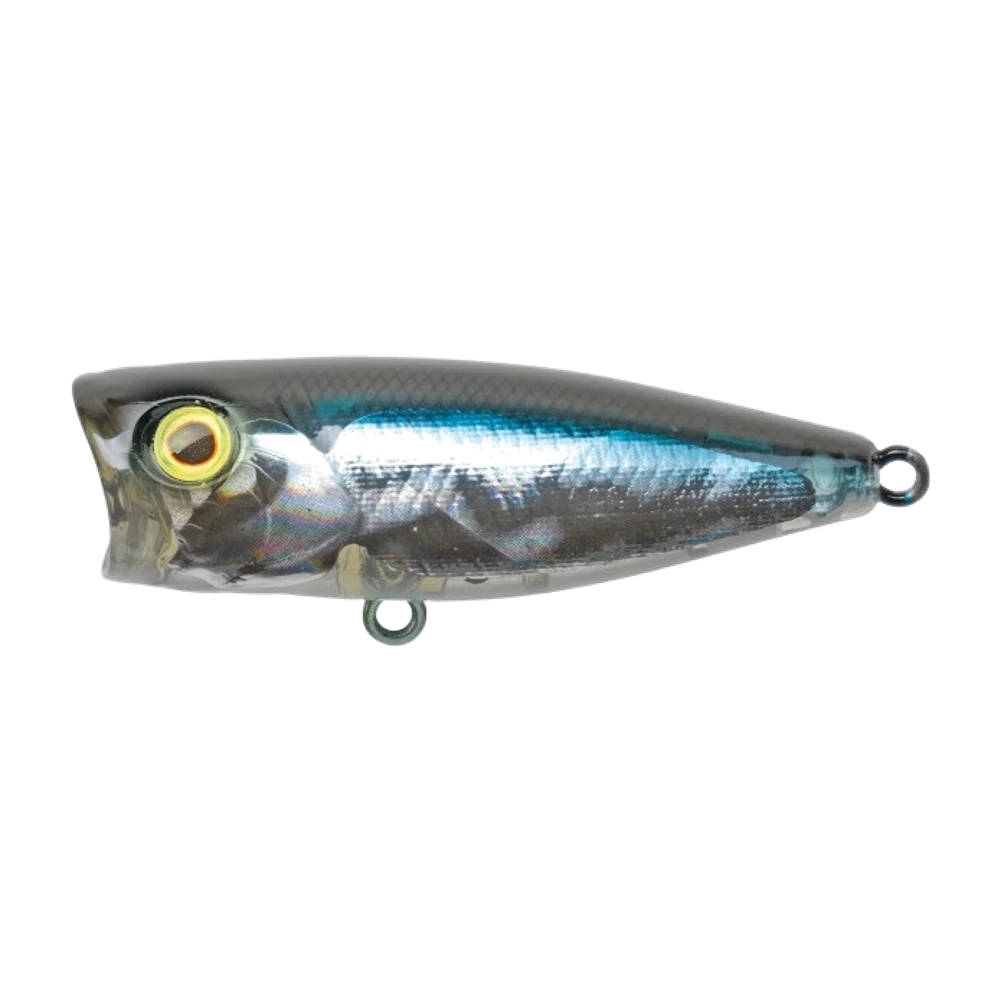
One lure, endless conditions. CarnaFish reads your spot from a photo so you are not just guessing.
Why do some bass anglers absolutely nail it with a popper while others go home empty-handed with the exact same lure tied on? The answer almost always comes down to one thing: timing. A popper like the SK-Pop Grande 65 can be unfishable at high noon and become the single most effective lure in the box an hour before sunrise, on the same mark, in the same sea conditions.
Popping is a game of patience more than technique
Popping is worked with the rod, not the reel: the reel only takes up slack, while each sharp downward snap of the rod tip spits water out of the lure's concave nose and rolls the body side to side. Between pops, the pause often matters more than the pop itself — that's when a bass that's been tracking the noise and splash finally commits.
Field rule: if you're popping non-stop with no pause, you're fishing for yourself, not for the bass.
When to fish it — the question that changes everything
- Dawn and dusk: the two most reliable windows. Bass move up into the surface layer to feed in low, raking light that makes them less visible to their own prey, and popping is deadly during these hours.
- Flood or ebb tide: moving water switches on the feeding. A popper cast during slack water, even at the right time of day, produces far less.
- A light chop on the surface: a bit of surface movement hides the lure and covers up imperfect retrieves. A flat, glassy sea in bright sun makes bass wary of a noisy artificial object.
- After dark under a lit mark (harbour, jetty): bass patrol under the light to feed on whatever it draws in, and popping works there just as well as it does at dawn.
Dialling in the popping rhythm based on the fish's reaction
There's no single correct rhythm — three worth testing in order:
- Slow pop, long pause (2-3 seconds): try this first, especially in cooler water or with less active fish.
- Sharp, quick pops with short pauses: for an active bass that's following without committing — the sudden acceleration often triggers the predatory reflex.
- Irregular walk-the-dog: mix pops with sideways glides at no fixed rhythm, worth trying once the first two approaches have been followed without a strike.
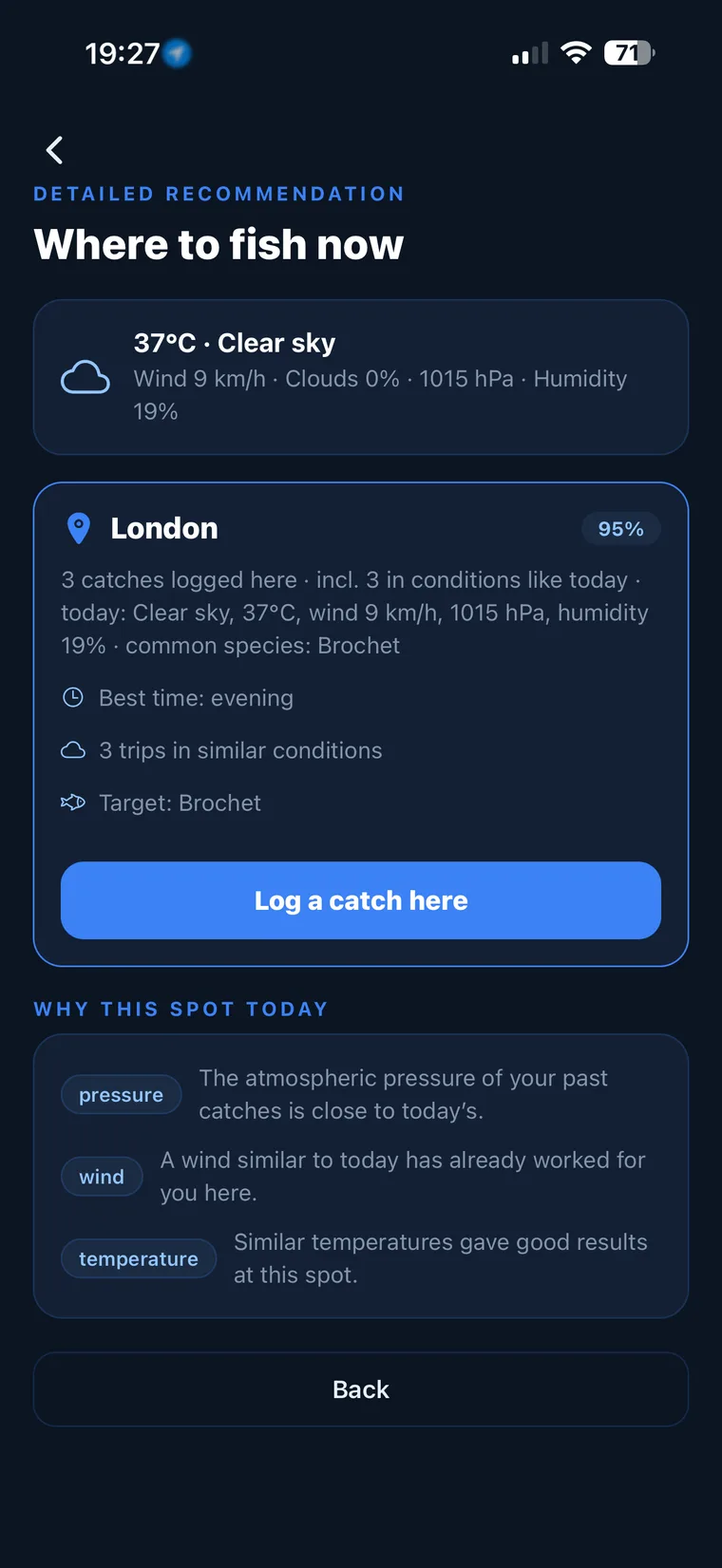
Not sure what to tie on?
Photograph your spot: CarnaFish reads the scene, cross-checks the conditions and gives you the zone, the lure and the retrieve. Free on iOS and Android.
Rocky points versus beach marks
The SK-Pop Grande 65 does its best work on two quite different types of ground:
- Rocky points and breakwaters: cast parallel to the rock, not straight out, to keep the lure in the ambush zone as long as possible. Bass hold in the gaps and strike as it passes.
- Beaches with some structure: target spots where a gutter or sandbar creates a backwash current — the popper reads perfectly there as an injured fish struggling to get back out.
On both types of mark, always keep an eye on your position relative to the incoming tide — a rock ledge or point can get cut off within minutes.
Colour by the light of the moment
- Dawn, clear water: Bone, a subtle tone that doesn't clash in still-low light.
- Overcast, choppy sea: Chartreuse, more visible to make up for a lack of natural contrast.
- Dusk, sky still bright behind the lure: Black, whose dark silhouette shows up sharply in backlight.
Popping rewards those who fish the right window more than those who fish the longest hours: our guide to fishing sea bass on lures breaks down which tide and time windows to prioritise before you even choose a lure. If you're not yet reading favourable timing on your own spot, CarnaFish cross-references the tide, moon phase and marine forecast to tell you whether the window you're eyeing is actually worth the trip.
FAQ
Does the SK-Pop Grande 65 work in bright sunshine?
Not as well: a flat sea and strong light make bass wary of a noisy topwater lure. Dawn, dusk or an overcast sky give much better results.
How do I know if I'm popping too fast?
If a bass is following without committing, slow down and lengthen your pauses. A rhythm that's too fast and too regular doesn't mimic anything natural and can actually put fish off.
Do I need a special leader for the popper?
A 30-35 lb fluorocarbon leader tied straight to the lure is enough — no weight or spreader, which would kill the surface action. The knot should stay loose enough not to restrict the roll of the lure.
Does popping work at night too?
Yes, especially under harbour or jetty lighting that draws in small prey — bass feed actively there, and the pop's noise carries well in the quiet of night.
Which tide phase should I prioritise for popping?
The flood and the ebb, when the current is actually moving. Slack water at high and low tide is generally calmer and less productive, even during the right light window.
Why isn't my popper "popping" properly?
Check your braid first: too thick, and it drags on the concave nose's movement. Also check the snap of your rod tip — too soft a motion won't load the cupped face enough to spit water.
The full sea bass lure guideSeason-by-season strategy: which family of lure, when, and why.Go from theory to fish
CarnaFish reads your spot from a photo and gives you the game plan: zone, lure, retrieve. Free on iOS and Android.