Sakura Xprat Shad: French realism built for zander and perch
Rather not fish it blind? Photograph your spot — CarnaFish cross-checks the conditions and points you the right way.
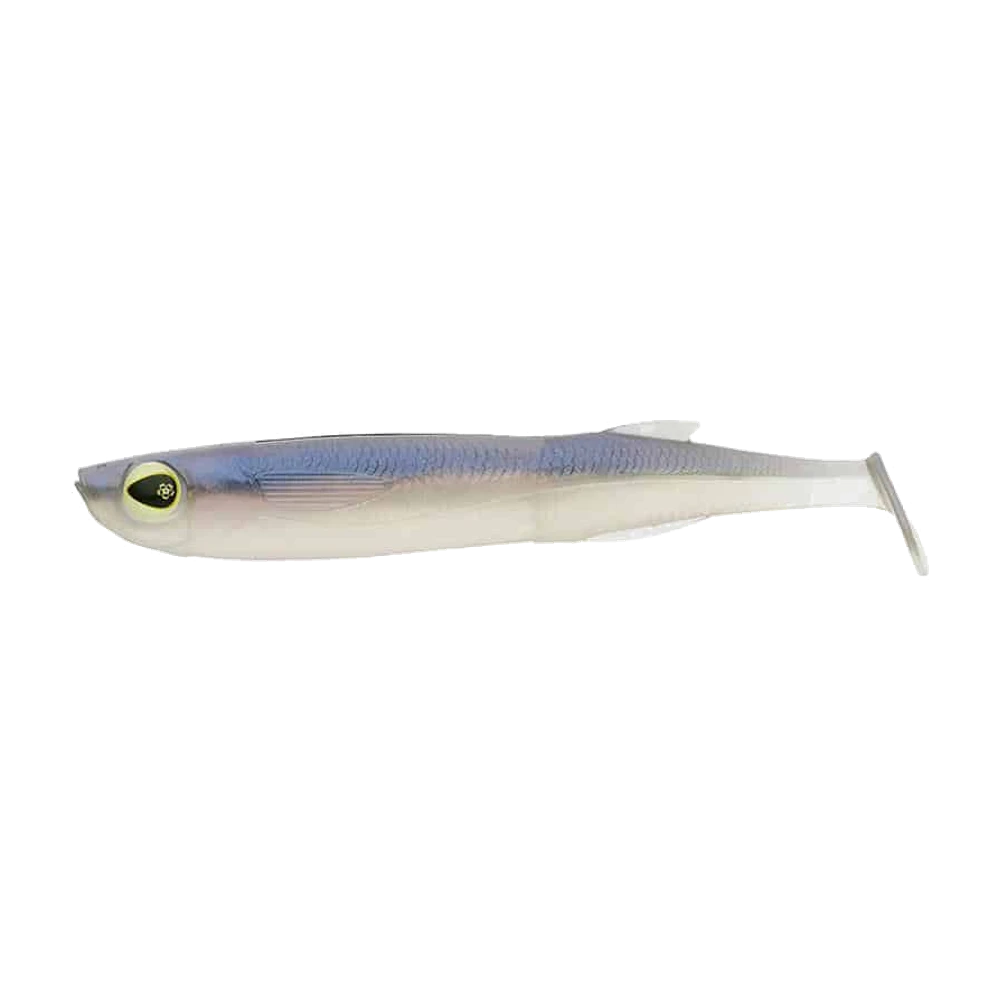
Sakura isn't a Japanese lure giant — it's a French brand, part of the SERT group, that built its shad range by working directly with field anglers. The Xprat Shad came out of a collaboration with angler Nicolas Bianchini, and the result shows at a glance: a profile modelled on a real sprat, with detailed dorsal, pectoral and anal fins, and raised scale texture instead of a generic smooth body.
Realism that isn't just for the packaging photo
On a shad, visual detail only matters if it translates into results in the water. The Xprat Shad has a finely shaped tail section that kicks in from the very first inches of the retrieve, even at very low speed. That's a trait it shares with the best finesse shads: the swim doesn't depend on a minimum speed, which gives real freedom to slow things down for a zander that refuses to chase fast-moving prey.
Three sizes, three uses
- 9 cm / 5 g: the go-to size for perch and smaller zander, especially in shallow water or on a light drop shot.
- 11 cm / 9 g: the default all-round choice, effective both in open water and along drop-offs.
- 12.5 cm / 13 g: reserved for big zander or periods when natural prey runs larger, late summer through autumn.
The rigging detail that simplifies everything: the slit
The Xprat Shad is slit along the back and the belly. That's not just a cosmetic detail: it allows a clean Texas rig, with the hook point tucked inside the body to cut down on snags in cover, while still keeping precise alignment when you rig it on a standard jighead instead. That's what makes this shad versatile between open water and fishing along vegetation, without switching lures.
A realistic shad that swims badly on a jighead is worthless. The Xprat Shad's slit guarantees alignment — and therefore the swim — whichever rig you choose.
How to work it depending on the target
- Slow straight retrieve near bottom: the baseline for zander, especially effective in cold water.
- Short rips, marked pauses: perch strike very often during the pause, right when the lure appears still.
- Vertical jigging over a known spot: from a boat, with small lifts to hold the lure just above bottom.
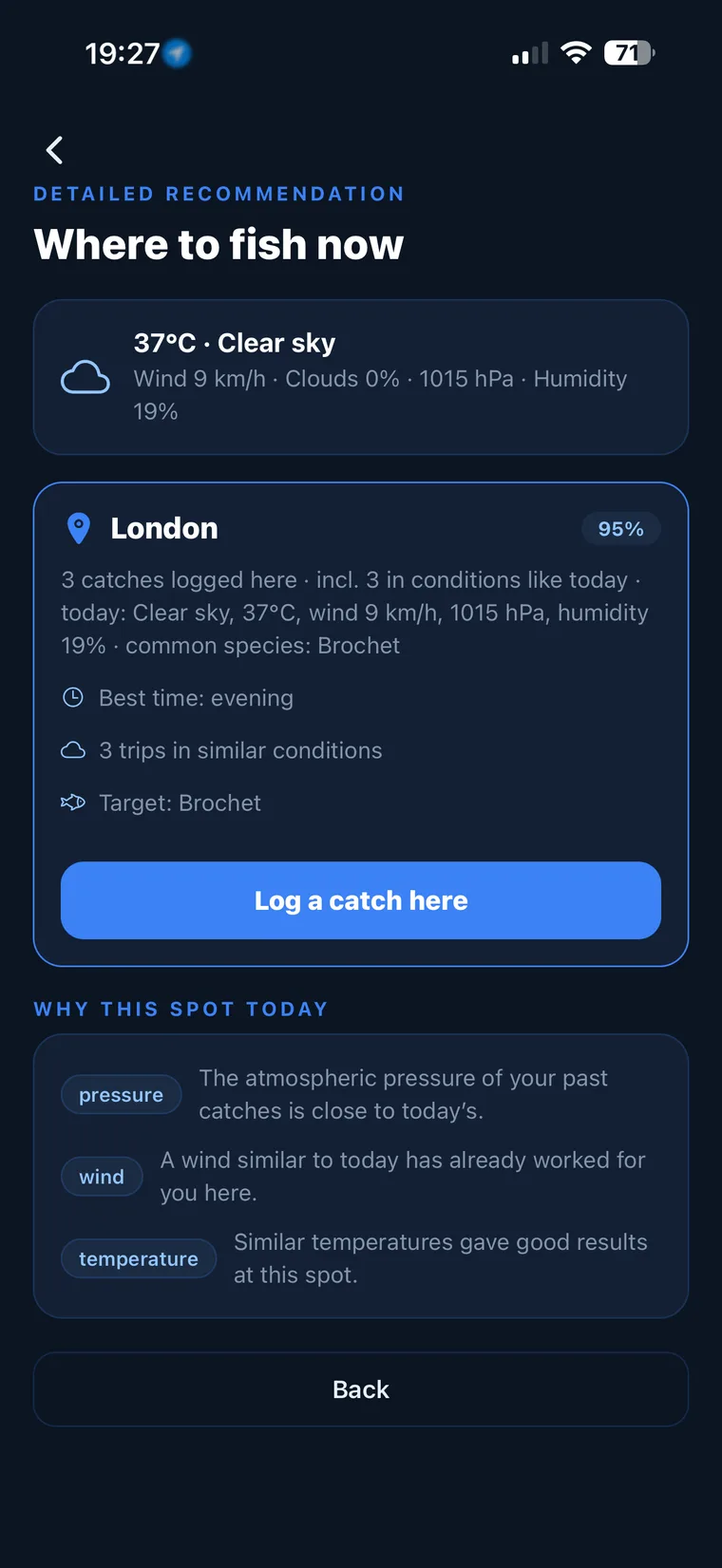
Not sure what to tie on?
Photograph your spot: CarnaFish reads the scene, cross-checks the conditions and gives you the zone, the lure and the retrieve. Free on iOS and Android.
Colour by light and water
- Clear water: a natural baitfish tone, true to the sprat that inspired the lure.
- Overcast skies: a golden tone, adding a slight flash without going loud.
- Stained water: a contrasting pattern, to stay visible when realism alone isn't enough to guide the strike.
Zander and perch: where this lure makes the difference
For zander, the 11 cm Xprat Shad on a 7-10 g head covers most river and lake spots. Our beginner's guide to zander fishing covers how to find those spots before picking a lure size. For perch, the 9 cm in shallow water or on a drop shot works especially well along weed edges and rocky spots.
Finding the right spot instead of guessing blind is exactly what CarnaFish simplifies: one photo of the spot is enough for the AI to read the scene and the day's conditions and suggest a starting zone and retrieve.
To sum up
- Three sizes (9, 11, 12.5 cm) depending on target species and season.
- The back and belly slit allows a clean Texas rig on top of standard jighead use.
- Swim kicks in from the very first inches of the retrieve, even on a very slow straight retrieve.
FAQ
Is the Xprat Shad a good choice for a beginner?
Yes — its swim kicks in from the very first inches of the retrieve, which forgives an imperfect retrieve. Start with the 11 cm on a standard 7-10 g jighead before trying the Texas rig.
What size Xprat Shad should I use for zander?
The 11 cm covers most situations, rigged on a 7-10 g head. Step up to the 12.5 cm late in the season when natural prey runs bigger.
Can the Xprat Shad be Texas-rigged?
Yes, that's actually one of its strengths — the back and belly slit lets you tuck the hook point inside the body to cut down on snags in cover.
What size Xprat Shad should I use for perch?
The 9 cm is the reference size, especially effective in shallow water or on a light drop shot along weed edges.
Why is this shad marketed as realistic?
Its profile is modelled on a real sprat, with detailed fins and raised scale texture, unlike many shads with a smooth, generic body.
What colour should I use in stained water with the Xprat Shad?
A contrasting pattern rather than a natural tone — visual realism matters less once turbidity limits how far a fish can see, and strong contrast guides the fish to the lure more effectively.
The full zander lure guideSeason-by-season strategy: which family of lure, when, and why.Go from theory to fish
CarnaFish reads your spot from a photo and gives you the game plan: zone, lure, retrieve. Free on iOS and Android.