Savage Gear 3D Crayfish: the craw that wins by doing nothing
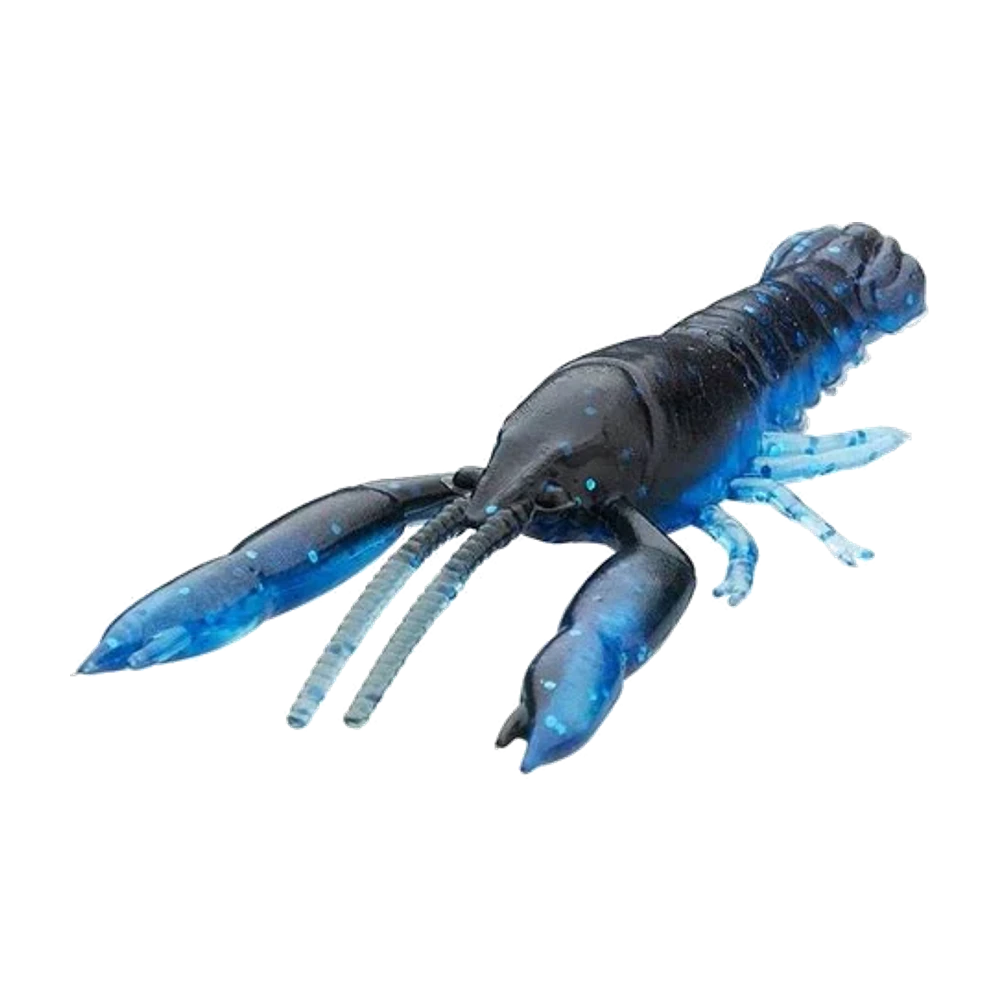
This lure shines under specific conditions. CarnaFish tells you in 10 seconds if today is one of them.
Clear water, two metres deep, and a bass you can see perfectly, sitting against a rock. You cast your soft crayfish three metres in front of it, work the claws, hop it along the way you were taught — and the fish shifts twenty centimetres to get out of the way.
That refusal is not random. A crayfish crossing a spot while thrashing about, in water where the fish can see four metres, is an implausibility. Real crayfish spend most of their time motionless, flat to the bottom, moving in small shifts of a few centimetres.
The 3D Crayfish is built for that reading. Its point is not what it does when you pull on it, it is what it shows when you do nothing: a detailed moulding, a credible silhouette, and a presence that stands up to inspection from a fish that looks for a long time.
Detailed moulding only pays at zero speed
There is a contradiction to grasp before buying this kind of lure. The more realistic a lure is, the less it tolerates speed — because a fish only sees detail on a slow or motionless target. A highly detailed lure worked fast is worth no more than a plain shad: the finish disappears into a blur.
That translates into three concrete choices on the water:
- Clear water is mandatory. In stained water you are paying for a moulding nobody will see. A lure with a vibration signal does the job better.
- Fish it in contact with the bottom, not in mid-water. A crayfish floating a metre off the bottom is an absurdity even an undiscerning fish notices.
- An extremely slow rhythm. This lure is fished in metres per minute, not metres per second.
Head first or tail first
Rigging direction is the most underrated adjustment on a soft crayfish, and it gives you two different lures.
Head first, hook inserted through the front of the body: the lure moves like a crayfish going about its business, claws forward. That is the rig for slow, settled fishing, the one you use 80 % of the time, and it slides better through rock.
Tail first, hook inserted through the back: on a pull, the lure darts backwards in hops, exactly like a crayfish fleeing with a flick of its tail. That is a rig to keep for fish that have already refused the slow presentation — the movement is abrupt and triggers a reflex, not an inspection.
Always try the first before the second. On an untouched spot, the slow presentation takes the fish outright; the fleeing presentation takes the one that has already seen something go past.
The retrieve: counting, not pulling
- Cast well beyond the spot and let it sink on a semi-tight line. Watch the line: a lot of bites come during the initial drop.
- Wait ten seconds after it hits bottom, doing nothing. That is the most productive phase on a holding fish and the one most often skipped.
- Pull it twenty to thirty centimetres, with the rod, very slowly — a two-second movement, not a sharp snap.
- Set it back down and wait another five to ten seconds. Only take up the slack.
- Repeat until you are out of the zone. A ten-metre spot takes three to four minutes to fish.
On the water: when the lure comes up against a boulder or a branch, do not make it climb over. Leave it there, motionless, for another ten seconds. A crayfish stopping on an obstacle is the most natural scenario there is, and it is almost always at that precise moment that the bass which was following commits.
Weight, the only real adjustment
| Rig | Weight | Ground |
|---|---|---|
| Weighted Texas | 2 to 3.5 g | Margins, weed, under 2 m |
| Weighted Texas | 5 to 7 g | Drop-offs and boulders between 2 and 4 m |
| Tokyo rig | 5 to 10 g | Cluttered bottom, precise vertical control |
| Carolina | 10 to 20 g on the weight | 4 to 6 m flats, slow searching |
The simple rule: take the lightest weight that still lets you feel the bottom. Too much weight flattens the lure and removes the residual undulation of the appendages during the pauses, which is the only movement you keep at rest.
Over hard, rocky ground, the Tokyo rig has a clear advantage: the body stays off the bottom while the weight, hanging below the lure, finds the gaps. You keep the silhouette visible and you lose fewer lures.
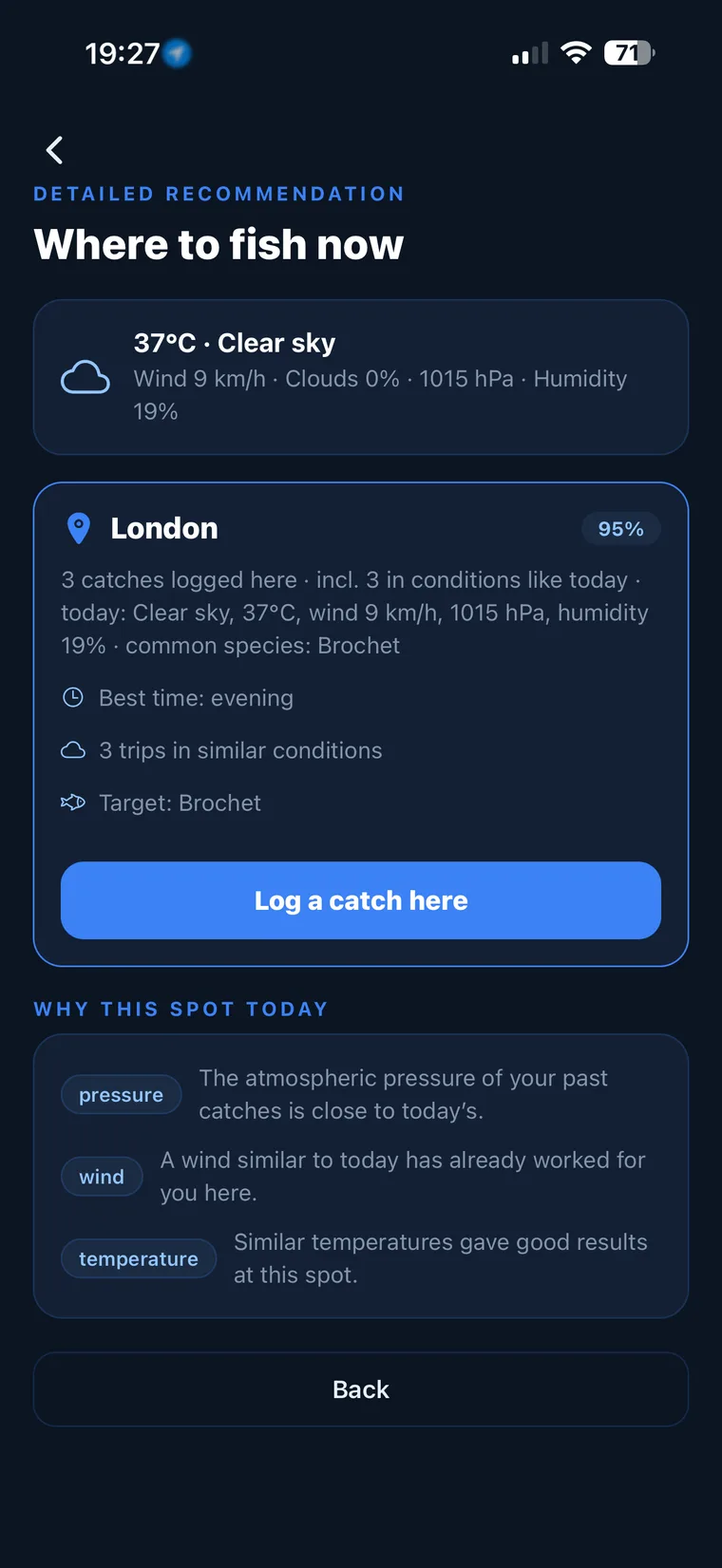
Not sure what to tie on?
Photograph your spot: CarnaFish reads the scene, cross-checks the conditions and gives you the zone, the lure and the retrieve. Free on iOS and Android.
Where not to expect anything from it
- Murky or coloured water: the detail no longer serves any purpose, and its vibration signal is too weak to be located.
- Fast searching: fished properly, it covers very little ground per hour. This is not a lure for finding fish, it is a lure for catching one you have already located.
- Very active fish: when they are biting hard, you lose time compared with a shad or a crankbait.
- Soft silt bottoms: the lure sinks in and disappears, and the settled presentation loses all meaning.
3D Crayfish or a flapping-claw craw
The Keitech Crazy Flapper answers the opposite brief: its claws float and stand the lure up in a defensive posture, creating permanent movement even during the pauses. It is an action lure, excellent as a jig trailer and in moderately clear water, where the fish picks up the movement before the silhouette.
The 3D Crayfish bets the other way, on static plausibility. It will be better on a fish you can see, in very clear water, over limestone or rock, and on heavily fished waters where lures that move about have already been refused. On the same stretch, the two take turns: the Crazy Flapper to find, the 3D Crayfish to convince.
The Texas rig remains the basis for both, and our beginner's guide to bass fishing covers when a craw beats a shad. If you are unsure what weight to fit when you arrive in front of a spot, CarnaFish analyses a photo of the spot and answers.
Key takeaways
- A static imitation lure: its detail only pays in clear water and at near-zero speed.
- Head first for a slow presentation, tail first to provoke a fish that has already refused.
- Pulls of 20 to 30 cm separated by five to ten second pauses, in contact with the bottom.
- The lightest weight possible: a heavy weight flattens the lure and kills the residual undulation.
- Pointless in murky water, for fast searching, and over soft silt.
FAQ
How do I work a soft crayfish for bass?
With slow pulls of twenty to thirty centimetres, broken up by pauses of five to ten seconds, keeping permanent contact with the bottom. The lure should spend more time still than moving.
Should I rig the crayfish head first or tail first?
Head first for a slow, natural presentation, which is the default rig. Tail first to reproduce the backwards escape hop, to be kept for fish that have already refused the slow version.
What weight should I choose?
The lightest that still lets you feel the bottom: 2 to 3.5 g down to two metres, 5 to 7 g between two and four metres, more beyond that or in current. Excessive weight flattens the lure and removes its undulation.
Does it work for perch?
Yes, in the small sizes and over rocky bottoms, where perch genuinely eat crayfish. Reduce the weight and shorten the pulls to ten or fifteen centimetres — perch follow short movements.
Is an imitation lure worth it in murky water?
No. Realism only has an effect if the fish can see the detail. In coloured water, a lure that vibrates or displaces water is far more effective, whatever its finish.
How long should I leave the lure motionless?
Five to ten seconds between pulls as a general rule, and up to fifteen or twenty seconds when the lure is stopped on an obstacle or right in the heart of a spot. The long pause is the active part of this fishing, not dead time.
The full bass lure guideSeason-by-season strategy: which family of lure, when, and why.Go from theory to fish
CarnaFish reads your spot from a photo and gives you the game plan: zone, lure, retrieve. Free on iOS and Android.