Savage Gear 3D Rad 30cm: the rat lure that fools pike and catfish
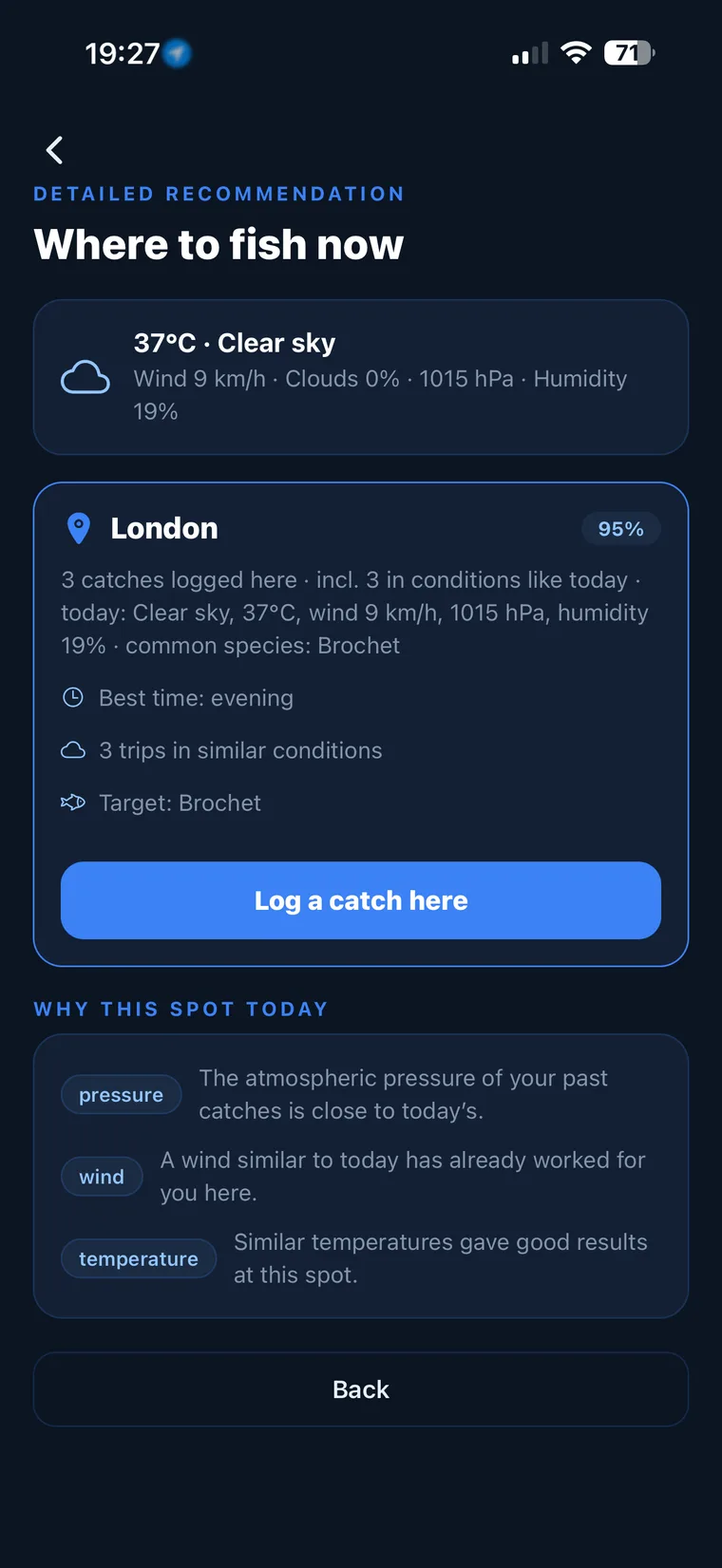
This lure shines under specific conditions. CarnaFish tells you in 10 seconds if today is one of them.
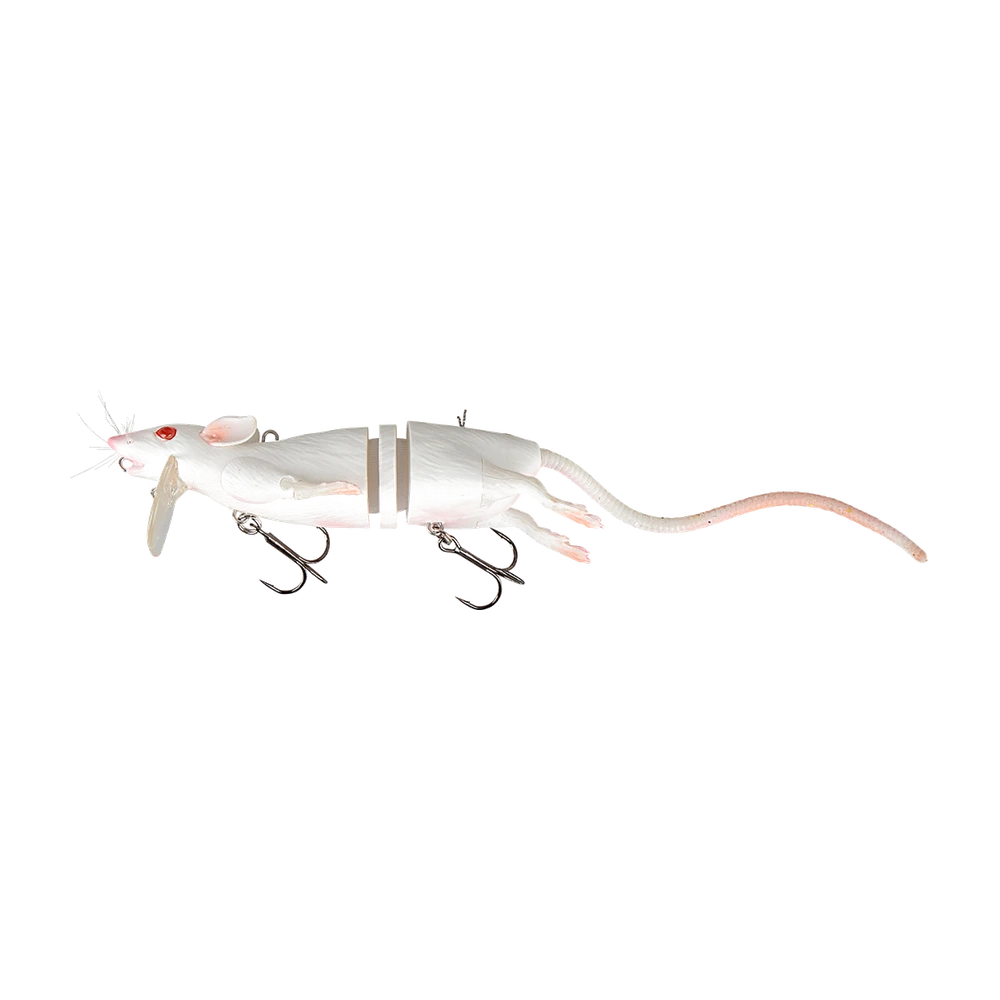
A real rat, 3D-scanned down to the fur texture: that's where Savage Gear's Rad starts. The kind of lure that gets a laugh in the shop window and turns dead serious the first night you work it along a snaggy summer bank.
An actual rat, literally
Savage Gear built its name on lures scanned from real prey, and the Rad is no exception. The rigid ABS body reproduces a swimming rodent's silhouette, with soft-material legs and tail that move with the slightest current. That's not a marketing gimmick: pike and catfish regularly encounter real rodents crossing a river or falling off a bank, and a lure that faithfully copies that silhouette triggers strikes few other shapes can match.
The attachment point that changes everything
This is the single most important thing to know before tying this lure on, and yet the least advertised on the packaging: where you clip the line completely determines the lure's behaviour.
- Clipped to the back ring (on the spine), the Rad becomes a pure topwater. It glides flat on the surface with a pronounced "S" wobble, like a rat swimming with its head above water.
- Clipped to the nose ring, it dives slightly under the surface into a much more realistic subsurface swim, with a horizontal roll that mimics a rodent sinking before it resurfaces.
Thanks to its high buoyancy, the Rad floats back up on its own the moment you stop the retrieve, whichever ring you use. That lets you leave it floating still for several seconds over a marked spot — often the moment a strike happens.
Night pike and catfish: two customers, one prey
Pike hit the Rad in summer and early autumn, mostly in the evening and at dawn, over shallow water along vegetation edges where rodents naturally cross. The strike is often frontal and spectacular, in a burst of spray.
Catfish hunt it more at night and across the whole water body, not just the margins. On this species, the Rad works particularly well on a very slow straight retrieve with long pauses, cast and left to sit at night near an isolated obstacle or a tributary mouth — the spots where rats cross most often after dark.
One rule holds for both species: never set the hook until you feel the fish's weight. A strike on a surface rat is often a slap that misses the target on the first go — the fish comes back within the second if you don't move the lure.
Not sure what to tie on?
Photograph your spot: CarnaFish reads the scene, cross-checks the conditions and gives you the zone, the lure and the retrieve. Free on iOS and Android.
Gear: don't underestimate the catfish
For pike, a standard 2.10-2.40 m rod rated 20-60 g with a 40-50 cm wire or titanium leader is plenty — the 30 cm size just calls for a solid reel and 20-30 lb braid to handle repeated casts of an 86 g lure.
For catfish, scale up completely: a heavy 2.40-2.70 m rod, 40-60 lb braid, and a strong fluorocarbon or coated leader (roughly 80-110 lb; no wire needed, catfish have no cutting teeth). Also check the stock trebles' strength — often marginal against a fish over a metre long, which is why many catfish anglers swap them for reinforced hooks.
Three mistakes to avoid
- Retrieving too fast. The Rad shows its best on a slow, almost lazy straight retrieve — the speed of a real rat crossing water, not a baitfish fleeing a predator.
- Skipping the pauses. Buoyancy is only an asset if you use it: stop regularly, especially near a known obstacle.
- Sticking to one attachment point everywhere. Switch rings depending on whether you want a loud surface swim (back) or a quieter subsurface approach (nose) — that choice alone often unlocks a tough outing.
Picking the right spot matters as much as the lure: that's the whole point of learning to read a fishing spot before tying anything on. It's exactly why CarnaFish exists: you photograph the water, the AI reads the scene and the day's conditions, and hands you a zone and a retrieve suited to daylight or approaching darkness.
For the full season-by-season catfish strategy, our complete catfish lure guide covers the spots and timing that pay off most.
FAQ
Is the Savage Gear 3D Rad really effective for catfish?
Yes, particularly at night in areas where the fish hunts on the surface near an isolated obstacle. On a very slow straight retrieve with long pauses, its rat silhouette triggers clean strikes.
What's the difference between the back ring and nose ring attachment?
The back ring gives a topwater swim with a pronounced "S" wobble. The nose ring makes the lure dive slightly for a more realistic subsurface swim. Both are worth testing depending on the spot.
Do I need a wire leader to fish the Rad for pike?
Yes, always. Pike teeth cut through any fluorocarbon leader, however strong. A 40-50 cm wire or titanium leader remains essential.
What gear do I need for catfish with this 86g lure?
A heavy 2.40-2.70 m rod, 40-60 lb braid, and a strong fluorocarbon or coated leader around 80-110 lb. Also check the stock trebles' strength — often swapped for reinforced hooks for this species.
Does the Rad really float back up on its own?
Yes, that's one of its strengths: regardless of the attachment point, it resurfaces the moment you stop retrieving, letting you leave it still for several seconds over a marked spot.
When should I fish the Rad for pike?
In summer and early autumn, evening and dawn, over shallow water along vegetation edges where rodents naturally cross the water.
The full catfish lure guideSeason-by-season strategy: which family of lure, when, and why.Go from theory to fish
CarnaFish reads your spot from a photo and gives you the game plan: zone, lure, retrieve. Free on iOS and Android.