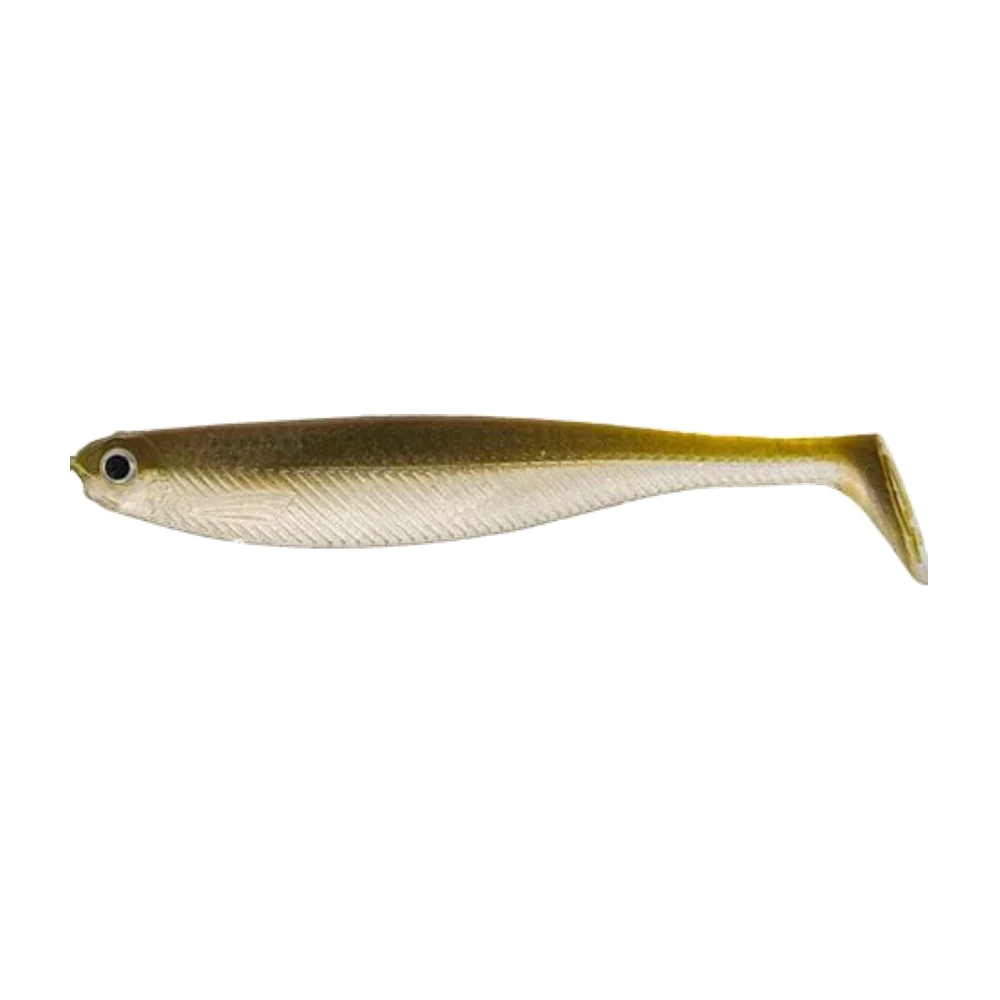
Westin ShadTeez: the shad that still swims at minimum speed
The right lure in the wrong spot still catches nothing. CarnaFish spots the zone that works, from a single photo.
The commonest flaw in soft shads doesn't show up in the shop: plenty of them stop swimming as soon as you slow down. At normal speed the tail beats properly. At slow speed — the speed you need in cold water or on apathetic fish — the tail locks up and the lure becomes an inert lump of plastic.
The ShadTeez is designed to avoid that. Its tail starts almost immediately and keeps working at speeds where most of the competition has already given up.
What a minimum-speed action lets you do
The practical consequence is simple: you can fish slowly without losing the signal.
That's decisive in three situations. In cold water, when zander won't chase and you need to present the lure to them for a long time inside their comfort zone. On fish sitting tight, when the job is getting the lure past a precise obstacle as slowly as possible. And vertically or on a slow drift, where retrieve speed is close to zero and only the lure's own beat produces any vibration.
A shad that stops swimming below a certain threshold forces you to retrieve faster than the fish will accept. That's exactly the compromise this model removes.
Choosing the head weight
This is the setting that changes everything, far more than colour.
| Situation | Jig head |
|---|---|
| Margins, under 2 m, no current | 7-10 g |
| Lake, 3-5 m | 10-15 g |
| Slow river, 4-6 m | 15-20 g |
| Strong current or over 8 m | 20-30 g |
On the water: take the lightest head that still lets you feel bottom contact. Too heavy a head crushes the action and removes the falling phase, which is precisely when zander attack most often.
Head shape matters too. A round head goes anywhere and suits a straight retrieve. A football head holds better on rocky bottoms and tips the lure nose-down on the pause, which lengthens the presentation time.
The three retrieves that work
The slow straight retrieve. The simplest and often the best for zander. Cast, let it sink to the bottom, then retrieve very gently while keeping permanent contact. No rod work at all.
Pulls with a pause. Two wide rod pulls, then let the lure drop back on a semi-tight line. The bite almost always comes during the fall — it shows up as a sharp knock or, more often, as a line that stops sinking too early.
The boat drift. Lure on the bottom, rod held high, let the boat do the work. Lift 30 cm every five seconds. Vertical fishing is where the ShadTeez's ability to swim slowly shows up best.
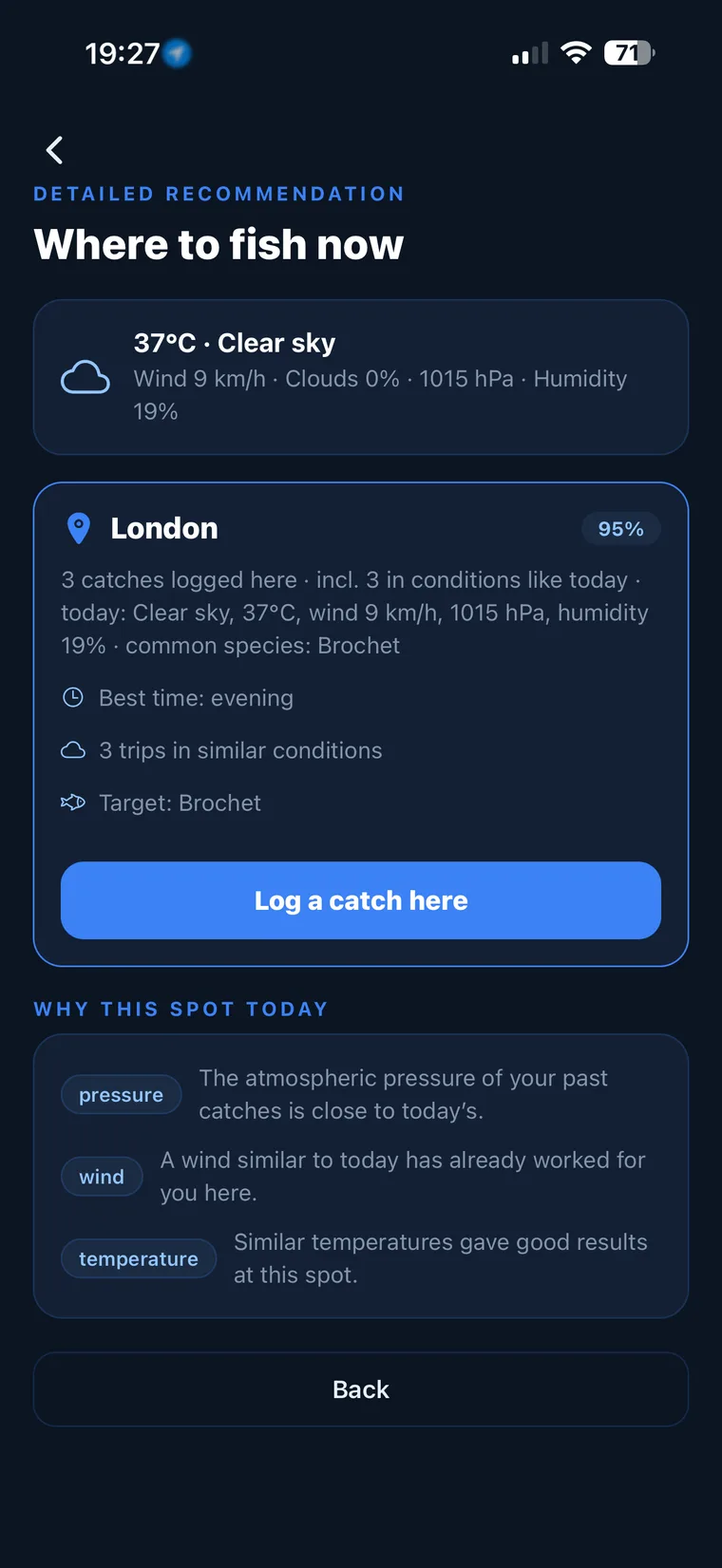
Not sure what to tie on?
Photograph your spot: CarnaFish reads the scene, cross-checks the conditions and gives you the zone, the lure and the retrieve. Free on iOS and Android.
The sizes
The ShadTeez spans a wide range, and the choice is driven by species more than by depth.
- 9-12 cm: zander and perch, the most versatile format in freshwater.
- 14-16 cm: pike, or zander when the big fish are about.
- 19 cm and up: pike only, for searching a large area.
The ShadTeez Slim takes the same principle with a slimmer body and a tighter, less ample action: it's the version to tie on when fish refuse the standard model, typically in very clear water or on pressured fish.
Rigging against dropped fish
For pike, a stinger hook is all but mandatory. Takes from behind are common and a plain rig lets a significant share of the bites go.
For zander, on the other hand, a stinger isn't automatic: it increases bottom snags and zander generally engulf the whole lure. Add one only if you record several unconverted bites in the same session.
Our guide to lure fishing for zander covers how to read the spots where this kind of shad takes the lead. And if you're unsure what head weight to tie on when you get to the bank, CarnaFish reads a photo of the spot and suggests a starting point.
Key takeaways
- The tail starts immediately and keeps working at very slow speeds.
- Pick the lightest head that keeps you in contact with the bottom.
- The bite most often comes during the fall, not during the pull.
- Football head for rocky bottoms and a longer presentation, round head for a straight retrieve.
- Stinger mandatory for pike, optional for zander.
FAQ
What jig head weight should you choose?
The lightest one that still lets you feel the bottom: 7-10 g in the margins, 10-15 g down to 5 m, 15-20 g in a slow river, 20-30 g in current or beyond 8 m. Too heavy a head crushes the action and shortens the fall.
Does the ShadTeez really swim at slow speed?
Yes, that's its main feature. The tail comes alive in the first few centimetres of the retrieve and keeps going at speeds where many shads stop working, which lets you fish slowly without losing vibration.
What size for zander?
The 9-12 cm models cover the vast majority of situations. Go bigger only when the big fish are about or if you're targeting pike at the same time.
Do you need a stinger hook?
For pike, yes: takes from behind are common and a plain rig lets a lot of bites go. For zander it isn't automatic and it increases snags — add one only if you're missing several bites.
Which retrieve works best for zander?
A very slow straight retrieve in contact with the bottom is the most consistent. As an alternative, two rod pulls followed by a drop on a semi-tight line: the bite then comes during the falling phase.
How does it differ from the ShadTeez Slim?
The Slim has a slimmer body and a tighter action. It's the version to try when the standard model is being refused, typically in very clear water or on fish used to seeing lures.
The full zander lure guideSeason-by-season strategy: which family of lure, when, and why.Go from theory to fish
CarnaFish reads your spot from a photo and gives you the game plan: zone, lure, retrieve. Free on iOS and Android.