Fiiish Black Minnow N°2: the saltwater system that won over zander
The right lure in the wrong spot still catches nothing. CarnaFish spots the zone that works, from a single photo.
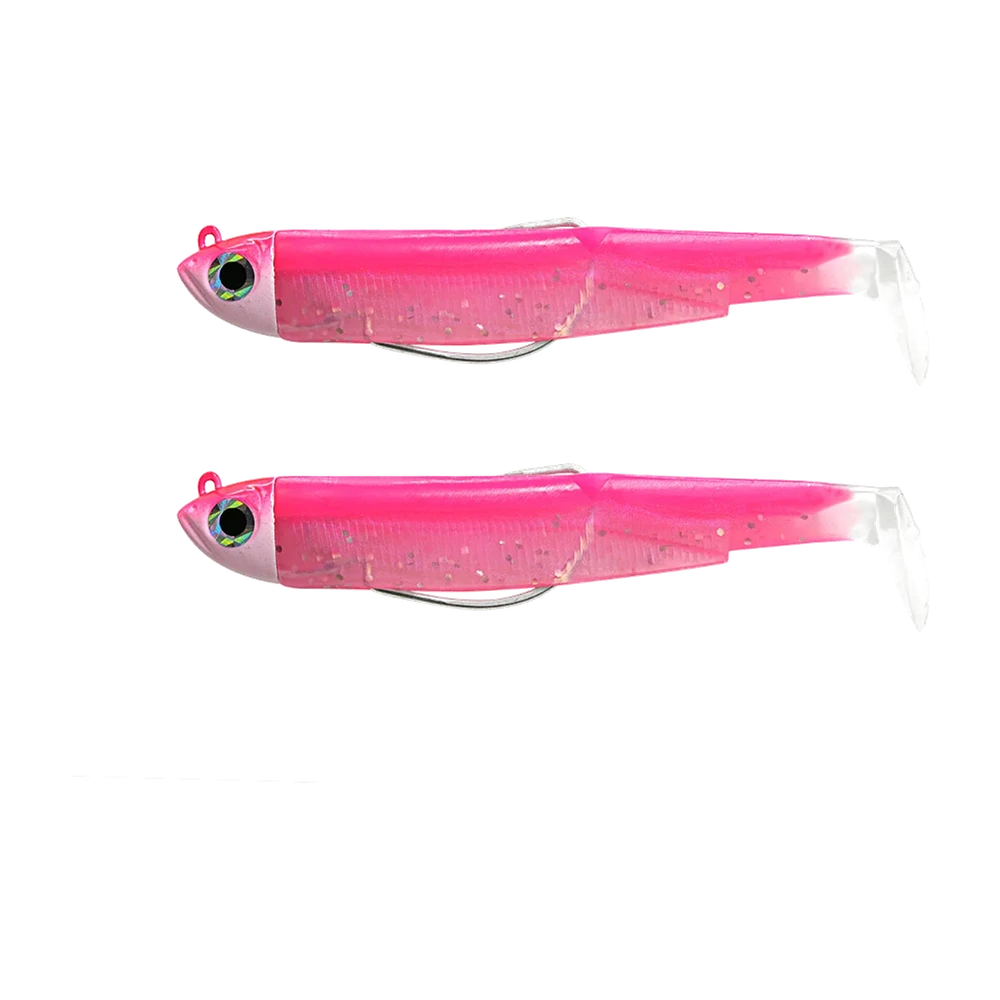
The Black Minnow wasn't designed with zander or perch in mind: it's a lure born in France for sea bass, where Fiiish built its reputation before freshwater predator anglers adopted it too. What made the Black Minnow a hit at sea works just as well in rivers and lakes: a system that separates the soft body from the jighead, with practical benefits few traditional lures offer.
A system, not just another soft plastic
Most shads rig onto a generic jighead, bought separately and not always well matched to the body's shape. The Black Minnow works differently: Fiiish developed its own dedicated jighead range, the Crazy Jig Head, with a built-in keel that stabilises the swim and an insertion system designed specifically for the Black Minnow's body. The result: a stable swim from the very first cast, without the usual fine-tuning between body size and hook size.
The system's second advantage is practical and economical: when the soft body wears out, you simply swap it without replacing the jighead. On a snag-prone spot, that changes the real cost of a session's lure budget.
The N°2 size (Black Minnow 90)
The Black Minnow comes in six sizes, N°1 to N°6, corresponding to bodies from 7 to 20 cm. The N°2, also called the Black Minnow 90, measures 9 cm for about 4 g unrigged. It's the best-suited size for perch and zander: subtle enough not to spook a wary perch, substantial enough to interest a zander in open water.
- N°1 (70 mm): finesse size, reserved for very small perch.
- N°2 (90 mm): the versatile size for perch and zander — the one covered here.
- N°3 and up: leans more toward pike or saltwater fishing.
Matching jighead weight to depth
The body itself weighs almost nothing — the Crazy Jig Head controls all of the swimming depth.
- 3-5 g: margins and shallow water, up to 2 m, slow retrieve.
- 7-10 g: open water between 2 and 5 m, the go-to setting for standard zander prospecting.
- 12-15 g: past 5 m or in strong current, to hold contact without cranking too fast.
A Black Minnow swimming off-line is almost never a worn-out body issue — check first that the jighead is fully inserted and the keel is properly aligned.
Retrieve by species
For zander, a slow retrieve near bottom with short bursts of speed remains the safe bet, especially early and late in the season when feeding activity drops. For perch, short rips followed by one-to-two-second pauses make the most of the Black Minnow's paddle-tail kick, which keeps vibrating slightly even at rest thanks to the stability the jighead's keel provides.
Not sure what to tie on?
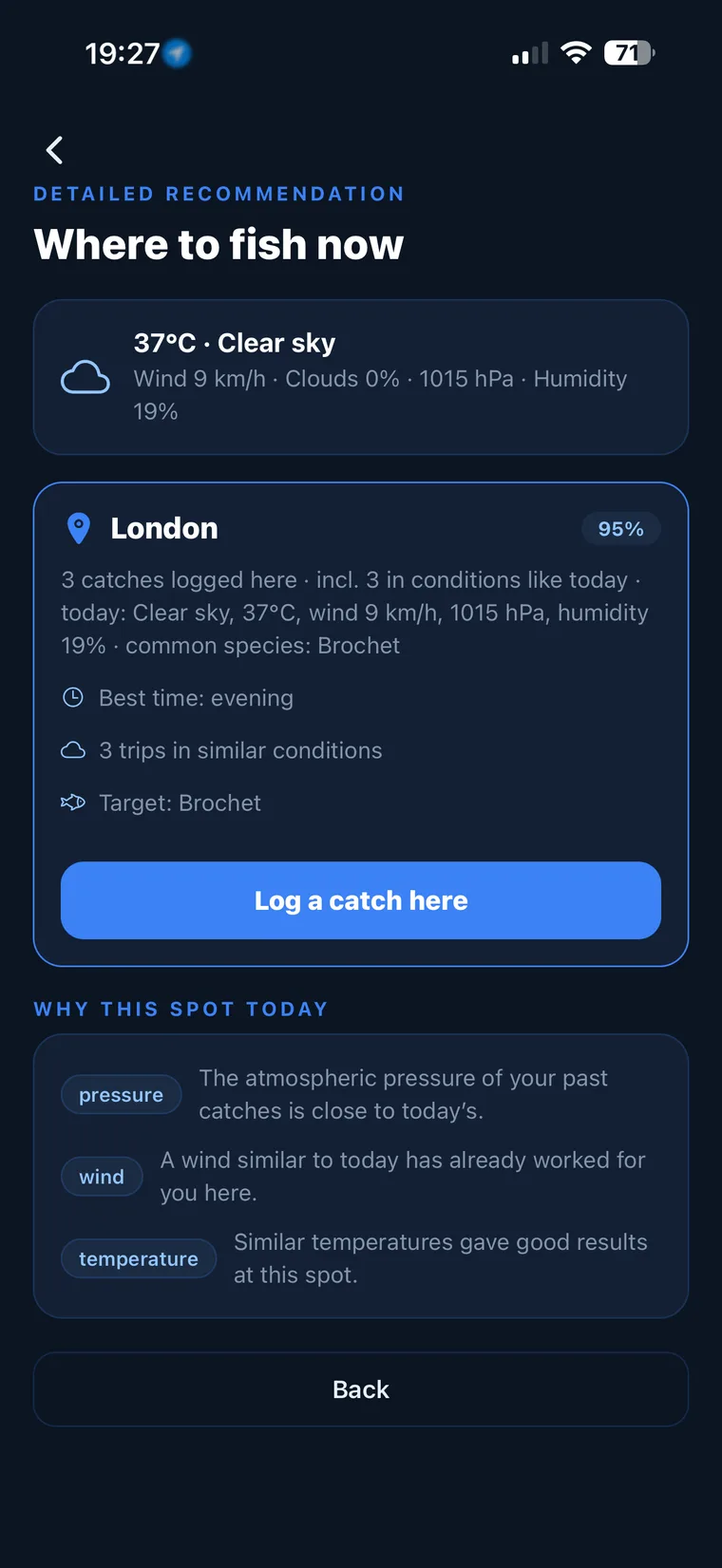
Photograph your spot: CarnaFish reads the scene, cross-checks the conditions and gives you the zone, the lure and the retrieve. Free on iOS and Android.
Colour by water clarity
- Clear water: natural, translucent tones close to a small baitfish.
- Stained water: higher-contrast or slightly flashy colours to stay detectable.
- Murky water: dark silhouettes, which stand out better than pale tones once visibility drops.
Its limits in freshwater
The Black Minnow is still first and foremost a sea bass lure, and some of its more specific jigheads (full weedless, elongated surfcasting shapes) hold no real value in freshwater. For zander and perch, stick to the classic Crazy Jig Head or a simple weedless version, without trying to replicate saltwater rigs that don't match the same bottom conditions.
Picking the right jighead and retrieve mostly depends on the spot's layout and the actual bottom depth — something CarnaFish helps pin down quickly: one photo of the spot is enough for the AI to read the scene and suggest a fitting zone and approach. To go further on zander beyond the Black Minnow, our beginner's guide to zander fishing, and for perch our guide to lure fishing for perch, pair well with this one. For a bigger size suited to pike, see also the Fiiish Black Minnow N°3.
The system in brief
- Two-part system: soft body plus interchangeable Crazy Jig Head.
- The N°2 size (9 cm, 4 g) is the best fit for perch and zander in freshwater.
- Match jighead weight to depth: 3-5 g in margins, 7-10 g in open water, 12-15 g past 5 m.
- Replace only the worn body, no need to buy a whole new jighead.
FAQ
Does the Fiiish Black Minnow actually work in freshwater?
Yes, despite being originally designed for sea bass. The N°2 (90 mm) size has won over many zander and perch anglers for its stable swim and practical interchangeable-head system.
What Black Minnow size should I use for zander?
The N°2 (9 cm) is the best-suited size, substantial enough to interest a zander in open water while staying subtle for a wary fish.
How does the interchangeable jighead system work?
The soft body slots onto the Crazy Jig Head through a dedicated system with a built-in keel that stabilises the swim. When the body wears out, you swap it without replacing the jighead, keeping costs down on a snaggy spot.
What jighead weight suits open-water fishing?
Between 7 and 10 g for a depth of 2 to 5 m, the most versatile setting for standard zander or perch prospecting.
Why does my Black Minnow swim off to one side?
Check first that the jighead is fully inserted into the body and the keel is properly aligned. That's the most common cause of an irregular swim, far more often than a worn-out body.
Is there a bigger size for pike?
Yes, the Fiiish Black Minnow N°3 and larger sizes suit pike and bigger predators better, with longer bodies and heavier jigheads available.
The full perch lure guideSeason-by-season strategy: which family of lure, when, and why.Go from theory to fish
CarnaFish reads your spot from a photo and gives you the game plan: zone, lure, retrieve. Free on iOS and Android.