Sébile Vibrato: the vibration bait built by an engineer, not a marketer
The right lure in the wrong spot still catches nothing. CarnaFish spots the zone that works, from a single photo.
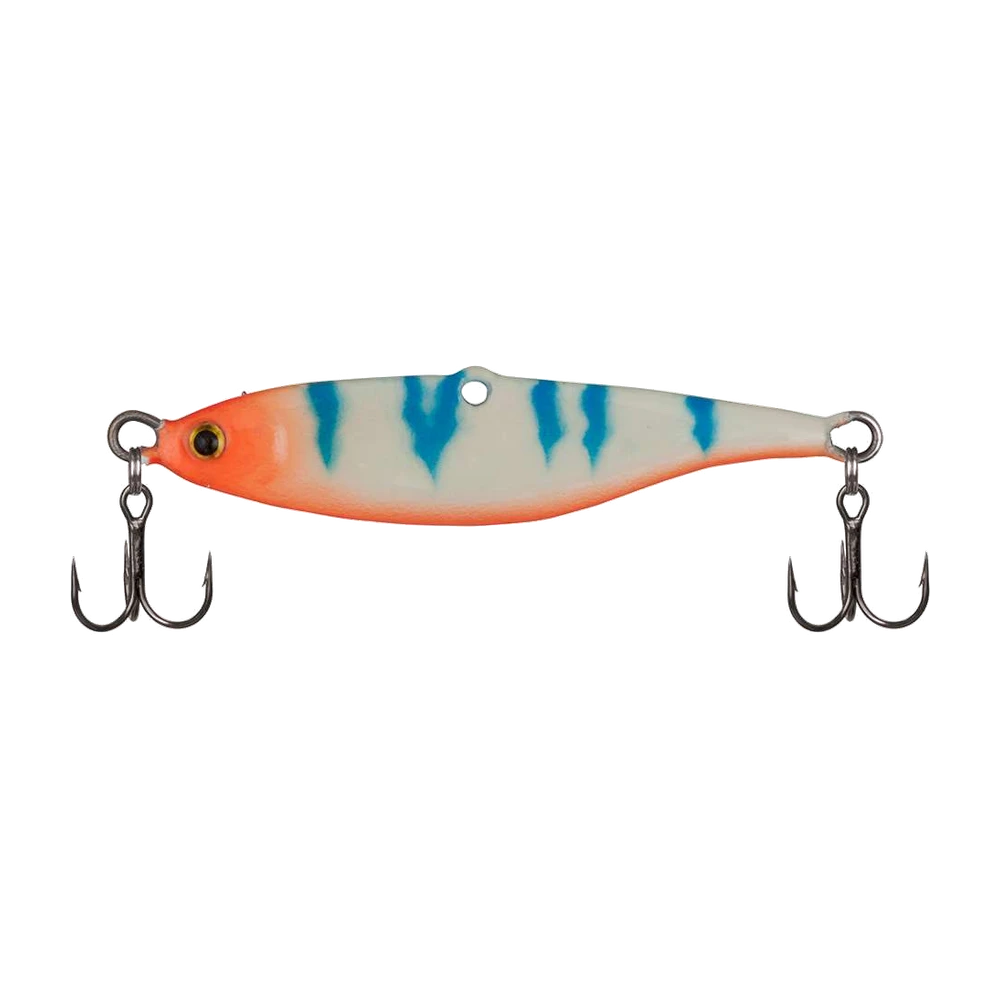
Patrick Sébile isn't your typical product designer — he's an obsessive angler who built his brand on one simple idea: a lure should be tested in real conditions before it's sold, not the other way around. The Vibrato carries that philosophy right into its build, and you can feel it on the very first cast.
What sets the construction apart
Most budget lipless vibration baits weld the tie point onto a hollow shell that eventually fatigues and cracks after enough violent hooksets. The Vibrato instead runs a through-body metal core connecting the front eye straight to the rear hook — the same logic used on a premium jointed swimbait. The result: an unbreakable pull point and a cleaner vibration transfer, without the small mechanical slack that dampens the swim on single-shell models.
A vibration that barely depends on speed
That's the Vibrato's central selling point: its compressed shape — wide belly, thin back — produces a steady vibration regardless of retrieve speed, whether slow, fast, straight-down vertical, jigged, or trolled. Most competing vibs lose their action below a certain speed threshold; the Vibrato keeps thumping even nearly at a standstill, which makes it a strong pick for zander in cold water, when a normal retrieve speed just isn't an option anymore.
The fall: the moment that matters most
Like on any vib, the fall is often more productive than the retrieve. The Vibrato flutters down, throwing off flash and vibration even with no rod input at all. That's the basis of the drop-and-pop technique: let the lure hit bottom, pop it up with one or two firm cranks, let it fall back on a taut line, repeat. On a zander suspended mid-water, you can also stop the fall at the fish's estimated depth and let the lure flutter in place for a few seconds.
On a Vibrato, never judge a spot by the retrieve alone. Half the work happens while the lure is falling.
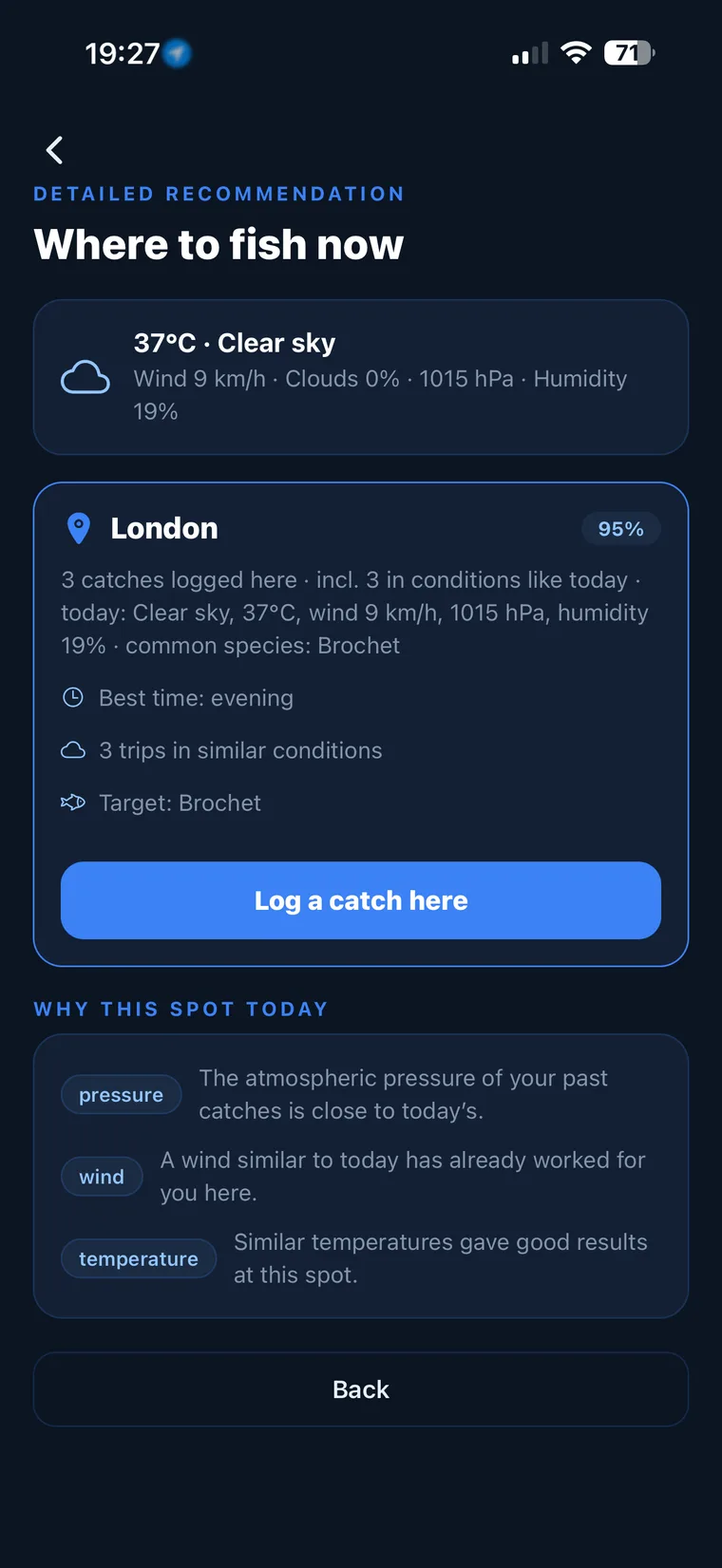
Not sure what to tie on?
Photograph your spot: CarnaFish reads the scene, cross-checks the conditions and gives you the zone, the lure and the retrieve. Free on iOS and Android.
Rare versatility for a vib
Unlike a crankbait with a bill, locked into a fixed depth range, the Vibrato adapts to the situation: lighter, it holds near the surface on a fast retrieve; let it go, and it drops straight down for vertical boat fishing. It's one of the few lures that follows an angler from the bank to the boat without needing a box swap.
Colors and reading the water
- Clear water: roach or shiner tones, natural enough not to spook a wary zander in broad daylight.
- Stained water or deep vertical work: chartreuse or orange, so the Vibrato's flash carries further despite the lack of light.
- Night fishing: dark silhouettes that stand out clearly against the sky or a lit surface.
A good vib does nothing if the spot is wrong to begin with — which is exactly why CarnaFish exists. Photograph the spot, and the AI reads the conditions (clarity, likely depth, structure) to tell you whether a vibration technique belongs here at all, versus a plain shad or a crankbait like the Shad Rap. For the full method on zander, our beginner's guide to lure fishing for zander covers spot choice and seasonality in depth.
The short version
- A through-body metal core means a sturdier pull point and cleaner vibration transfer than a single-shell vib.
- Vibrates at any speed, even nearly stopped — the number-one edge in cold water on tough zander.
- The fall usually counts more than the retrieve: work the drop-and-pop rather than a plain straight retrieve.
- Genuinely bank-to-boat versatile, from a standard cast-and-retrieve to deep vertical jigging.
FAQ
Is the Sébile Vibrato a good zander lure in cold water?
Yes, it's one of its strongest uses. Its ability to vibrate even at very low speed makes it effective when zander refuse anything moving too fast, unlike many competing vibs that lose their action below a certain speed threshold.
How do you fish the Vibrato vertically?
Let it sink to bottom while watching the line (the bite often comes on the fall), then pop it up with one or two firm cranks before letting it fall back. Repeat while covering the depth band where fish are holding.
What's the difference between the Vibrato and a standard crankbait?
A crankbait has a bill that locks in its running depth and needs a minimum speed to work properly. The billless Vibrato vibrates at any speed and fishes just as well on a straight retrieve as in pure vertical jigging, making it more versatile overall.
Is the Vibrato durable against big fish?
That's one of its strengths: the through-body metal core connects the front eye directly to the rear hook, a far sturdier pull point than the hollow single-shell construction found on many vibs, which eventually crack under repeated violent hooksets.
Can you catch bass on a Vibrato?
Yes, especially on a fast retrieve along drop-offs or cast-and-retrieve past weed edges. The flash it generates at any speed makes it a good fast-prospecting lure for locating active fish.
What color Vibrato should I use in murky water?
A bright tone like chartreuse or orange, which carries the lure's flash further in coloured water. Save natural tones (roach, shiner) for clear water, where resemblance matters more than contrast.
The full zander lure guideSeason-by-season strategy: which family of lure, when, and why.Go from theory to fish
CarnaFish reads your spot from a photo and gives you the game plan: zone, lure, retrieve. Free on iOS and Android.