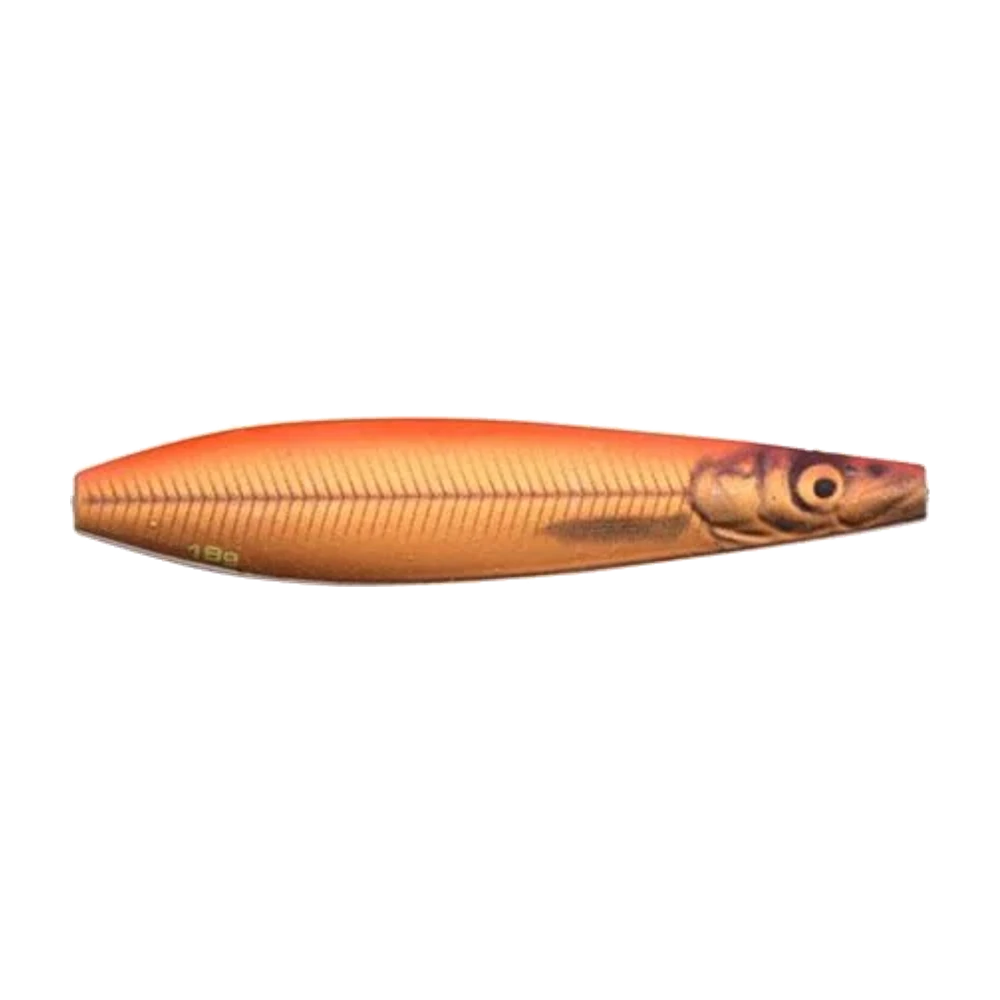
Savage Gear Line Thru Seeker: why a line-thru rig cuts down on hook pulls
The right lure in the wrong spot still catches nothing. CarnaFish spots the zone that works, from a single photo.
A good bass shaking its head on the surface often comes off. The reason is mechanical: the rigid body of the lure, planted in the fish's jaw, gives leverage on every shake. The hook works in the flesh, enlarges the hole, and eventually lets go.
A line-thru rig removes that leverage. It is an old principle in sea fishing, and the Line Thru Seeker is a direct application of it.
How a line-thru lure works
The body of the lure is not attached to the hook. The line runs right through the body, front to back, and the hook — assist hook or treble — is tied to the end of the line, free.
When the fish is hooked and starts fighting, the body of the lure slides up the line and away from its jaw. All that is left in the mouth is a light hook, with no mass to lever against.
Three practical consequences:
- Fewer hook pulls, especially on big fish that shake on the surface.
- The lure is protected: it rides up out of reach of teeth and abrasion during the fight.
- Changing the hook is instant — no split rings to open, no lure to strip down.
The retrieve, by species
For sea bass, a fast straight retrieve is the baseline. The lure casts a very long way thanks to its mass and compact profile, which lets you cover water you cannot reach from the beach otherwise. Wind fast and steadily, with no added action.
For mackerel and passing fish, a sawtooth retrieve gives better results: a few fast turns, a short pause during which the lure noses down, then back on.
For searching deep water, count the descent as you would with a lipless. The Seeker sinks fast — around a metre per second — which lets you reach serious depths quickly from a breakwater or a boat.
On the water: with a line-thru rig, never let the tension off during the fight. The body that slid up the line drops straight back down as soon as the line goes slack, and it can then help the fish shake the hook. Keep the rod loaded at all times.
Choosing the weight
| Context | Weight |
|---|---|
| Shallow beach, little current | 25 to 30 g |
| Breakwater, medium range | 30 to 40 g |
| Strong current or long range | 40 to 56 g |
Mass serves casting distance first and sink rate second. From the shore, the ability to reach a distant zone often decides success more than any other parameter.
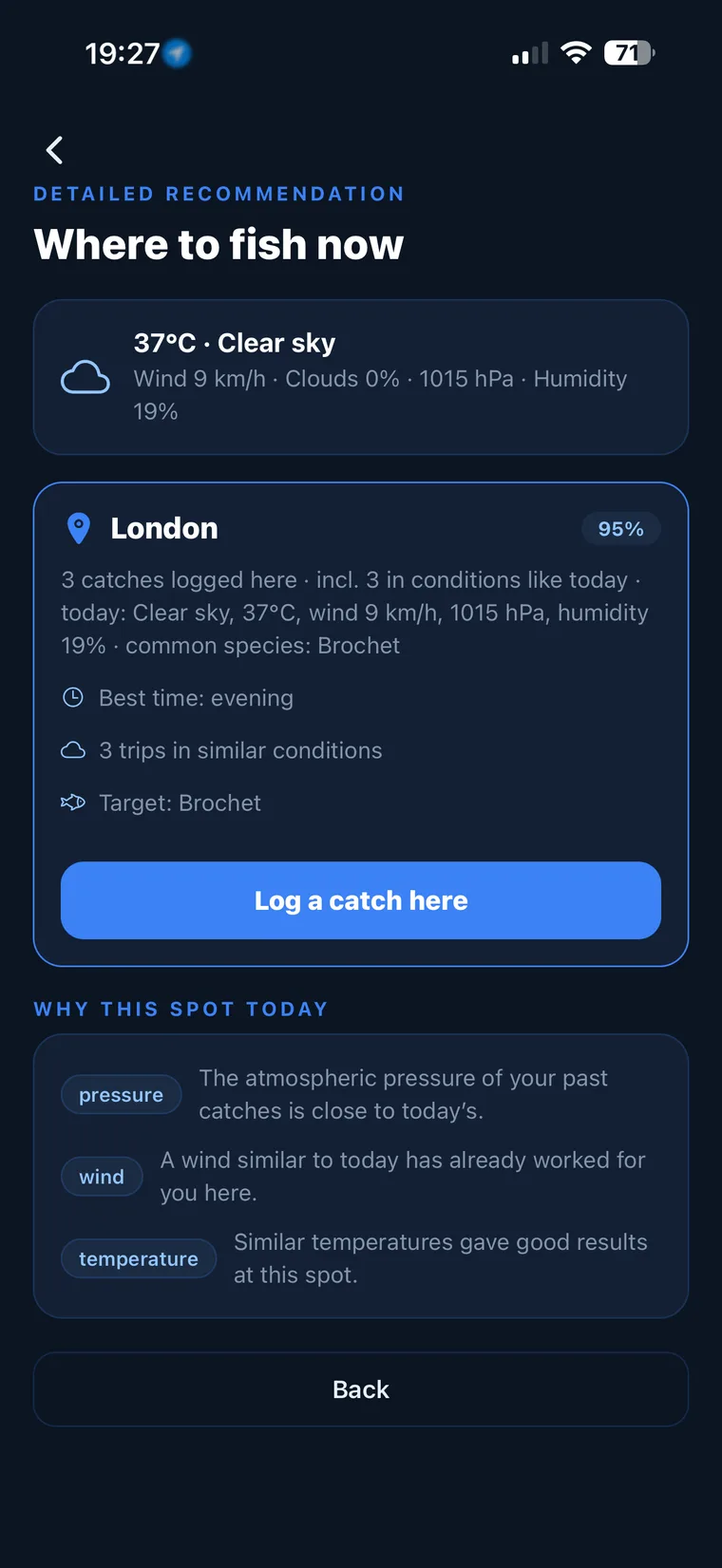
Not sure what to tie on?
Photograph your spot: CarnaFish reads the scene, cross-checks the conditions and gives you the zone, the lure and the retrieve. Free on iOS and Android.
The hook, yours to choose
That is one advantage of the system: you rig whatever you like.
A single assist hook is the most effective choice for bass. One strong hook, rigged short on dyneema braid, pins well and does little damage to released fish.
A treble raises the hook-up rate on solid takes but snags more and does more harm. It earns its place for mackerel or when you are fishing for the table.
Either way, watch for corrosion. A hook on a saltwater lure should be checked after every session.
Where it takes the lead
- Long-range shore fishing: beaches, breakwaters, rocky points.
- Headwinds, where its compact profile and mass get through where a light minnow is stopped dead.
- Searching deep water from the bank, thanks to its sink rate.
- Big fish, where reducing the leverage makes a real difference to the landing rate.
It is less suited to very shallow spots, where a surface minnow or a stickbait will stay longer in the productive layer.
Our guide to lure fishing for sea bass covers choosing a lure by spot and by tide. And if you are unsure what approach to take from a beach, CarnaFish analyses a photo and suggests a line of attack.
Key takeaways
- The line runs through the body: in the fight, the lure slides up and the leverage disappears.
- Fewer hook pulls on big fish, and the lure is protected during the fight.
- Keep the line tight at all times — let it go slack and the body drops back down.
- Fast straight retrieve for bass, sawtooth for mackerel.
- Single assist hook for bass, treble for solid takes.
FAQ
What is a line-thru rig?
It is a system where the line runs through the body of the lure and the hook is tied free at the end of the line. When the fish fights, the body slides up the line instead of staying planted in its jaw.
Why are there fewer hook pulls?
Because the rigid body of the lure no longer gives leverage in the fish's jaw. All that is left is a light hook, which works far less in the flesh when a bass shakes its head on the surface.
Assist hook or treble?
A single assist hook is preferable for bass: it pins well and does little harm to released fish. A treble raises the hook-up rate on solid takes but snags more — it mainly earns its place on mackerel.
What weight should I choose?
25 to 30 g on a shallow beach, 30 to 40 g from a breakwater, 40 to 56 g in strong current or to reach a distant zone. From the shore, casting distance often decides success.
How do I stop fish coming off despite the rig?
Keep the line tight at all times during the fight. If the tension drops, the body of the lure slides back down to the hook and regains its leverage.
Is it suitable for shallow spots?
Less so. The Seeker sinks fast and gives its best over deep water or at long range. Along a shallow margin, a minnow or a surface stickbait will stay longer in the productive layer.
The full sea bass lure guideSeason-by-season strategy: which family of lure, when, and why.Go from theory to fish
CarnaFish reads your spot from a photo and gives you the game plan: zone, lure, retrieve. Free on iOS and Android.