Caperlan Round Jig Head: what the entry-level option is really worth
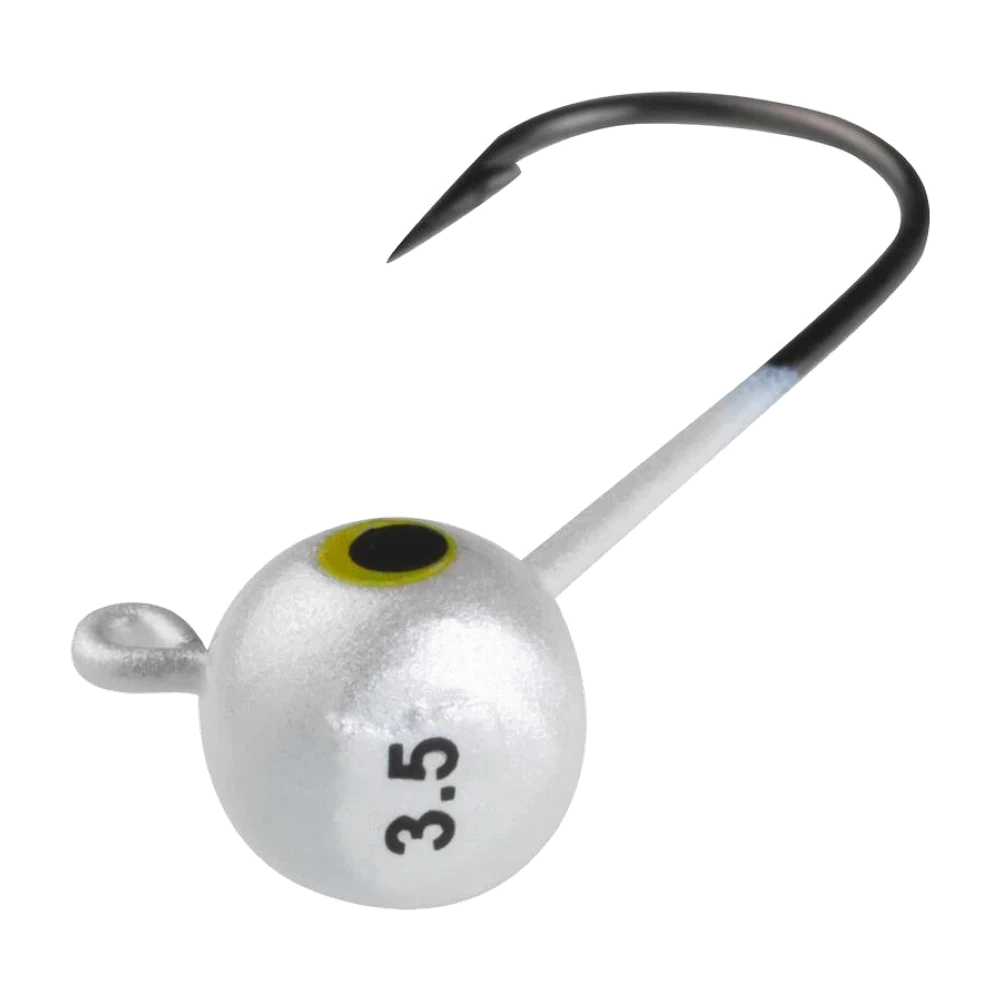
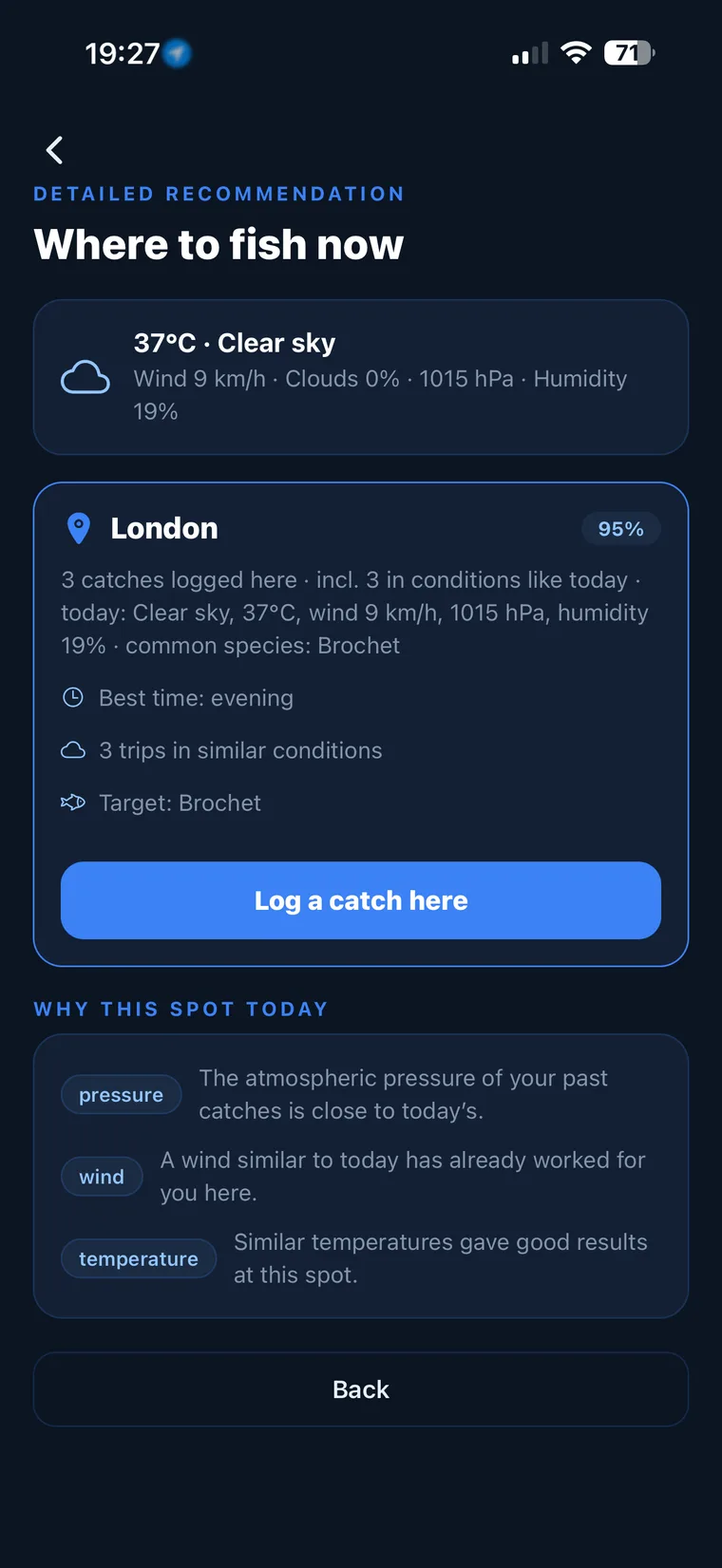
This lure shines under specific conditions. CarnaFish tells you in 10 seconds if today is one of them.
Nobody wants to count their jig heads. And yet, by the end of the season, it is often the heaviest line of spending in the box: between leads left in the rocks, hooks opened by a pike and heads bent after a fish in timber, you get through far more of them than you get through lures.
That is exactly the window where an entry-level jig head makes sense. The question is not whether the Caperlan round head is worth a Japanese tungsten head — it is not — but how far it goes, on which fish, and from what point it becomes a bad calculation.
One thing before the detail: if what you want is to understand how to choose a weight, which head shape to use in current, or how to thread a soft plastic on straight, all of that is covered in our jig head rigging page. This page does not rewrite that guide: it is about the product.
The hook, and nothing else
On a jig head, lead is lead. There is nothing to get wrong in a sphere of metal. All of the price, and all of the difference between a good head and a bad one, is in the hook.
Three criteria matter, in this order:
- Sharpness out of the packet. A hook that will not catch on your thumbnail under light pressure will not hook a zander struck at thirty metres. On entry-level heads, the initial sharpness is acceptable but degrades faster than a high-end chemically sharpened hook: two or three contacts with rocks are enough to dull it.
- Wire diameter. This is where the real compromise sits. Fine wire penetrates better and suits perch and zander; it opens on a pike or on a fish hooked in branches. Heavy wire holds, but demands a much firmer hookset and a rod with some backbone.
- The gap. This determines the size of soft plastic you can fit. Too little gap for the body of the shad and the point does not stand clear enough: you miss bites without understanding why.
On the Caperlan round heads, the realistic assessment is this: the hook does the job on perch and zander, with a rod that transmits the hookset properly. It is not built to take repeated pike. That is not a defect, it is a market position.
The weight range and what it covers
The strength of an entry-level range is that you can buy broadly. Having five weights in stock beats two premium heads, because weight is the first adjustment in this style of fishing — well ahead of the lure model or its colour.
| Weight | Matching hook | Main use |
|---|---|---|
| 3 to 5 g | 1 to 1/0 | Finesse perch, small 5 to 7 cm shads, shallow calm water |
| 7 to 10 g | 2/0 to 3/0 | The most versatile weight: margin zander, 2 to 5 m without current |
| 12 to 15 g | 3/0 to 4/0 | Big rivers, 5 to 8 m of water, light current, 10 to 12 cm shads |
| 18 to 21 g | 4/0 | Strong current, vertical fishing from a boat, crosswind |
| 25 to 30 g | 4/0 to 5/0 | Deep water, heavy current, big shads — outside these heads' comfort zone |
Both ends of the table are where entry-level shows its limits: below 5 g you want a specialist finesse hook, and above 21 g you are fishing deep water or current, therefore bigger fish, and you need a stronger head.
Three rigging details specific to this head
The general guide covers the rest; here is what is particular to this product.
- Check the point before every series of casts. Run it across your thumbnail: if it slides, sharpen it or change head. That is the single habit that best offsets the price of the product.
- Check the barb. On heads moulded in large runs, an excess of paint or lead sometimes slightly clogs the barb or the base of the hook. A fingernail or a fine file sorts it in two seconds.
- Add a stinger as soon as you are after zander. Missed zander rarely come from the lure: they come from fish nipping the tail. A treble on a short trace immediately fixes your conversion rate.
On the water: keep a small hook file in your vest pocket and sharpen systematically after every fish and after every solid hang-up in the rocks. On an entry-level jig head, sharpening is worth more than the brand name: a point touched up for thirty seconds bites better than a premium head that has been blunt for two hours.
Working life and warning signs
A jig head does not die suddenly, it degrades. Three signals mean it goes in the bin:
- The hook has play in the lead. If you can turn the shank by hand, the hookset will be absorbed.
- The point is bent outwards. It has been opened: a straightened point breaks on the next hookset.
- A deep gouge near the shank, which weakens the whole thing. All other marks on the lead are cosmetic.
In normal use on perch and zander over rocky margins, count on a few sessions per head. That is not much compared with a premium head — and that is precisely why you buy them by the pack.
Not sure what to tie on?
Photograph your spot: CarnaFish reads the scene, cross-checks the conditions and gives you the zone, the lure and the retrieve. Free on iOS and Android.
Who they are for
Worth it if:
- You are starting out and need to cover the whole weight range without spending a budget on it. Our budget predator tackle guide places this purchase in order of priority.
- You fish rocky or cluttered bottoms where consumption is structurally high.
- You rig entry-level soft plastics such as the Caperlan Texan Shad: the whole set-up stays consistent, nothing outclasses the rest.
- You want to test a weight before investing in the same thing in a premium version.
Not worth it if:
- You target pike regularly: the hook wire is not sized for it, and a head opened on the fish of the day costs infinitely more than the money saved.
- You fish extreme finesse for wary perch, where a very fine, very sharp hook makes all the difference.
- You fish deep vertical from a boat, where tungsten brings a real gain in sensitivity for the same volume.
Entry-level or premium head
The difference comes down to three points, and none of them concerns the lead.
First hook consistency: a high-end head bites as well on the hundredth cast as on the first. Then resistance to opening, decisive as soon as the fish is bigger than an average zander. Finally, on tungsten models, a reduced volume for the same weight — faster drop, better bottom feedback, fewer snags.
On standard zander spots, the gap in results stays moderate and does not necessarily justify the extra cost. On pike or in deep water, it becomes real from the first session.
And if you are unsure which weight to tie on when you reach the bank, CarnaFish analyses a photo of the spot and answers.
Key takeaways
- On a jig head, everything comes down to the hook: the lead is the same everywhere.
- The Caperlan range covers the essentials between 3 and 21 g; above that, move to something stronger.
- Sharpen systematically after every fish and every hang-up: that is the habit that offsets the price.
- Suits perch and zander; the hook is not sized for regular pike.
- For choosing head shape and weight, the jig head rigging page remains the reference.
FAQ
Are Caperlan jig heads strong enough for pike?
Occasionally yes, regularly no. The hook wire is sized for perch and zander: on a thick-set pike struck hard, the hook can open. If you are after pike, take a head with a heavy-wire hook.
Which weight should I buy first?
7 to 10 g, on a 2/0 or 3/0 hook. That is the bracket covering the most fresh-water situations without current, between two and five metres of water, with 8 to 11 cm shads.
Painted head or bare lead?
The difference is marginal. Paint adds a little contrast in stained water and slightly protects the lead, but it chips fast on rocks. Weight and drop speed influence the result far more.
Why do I miss bites with these heads?
Two causes dominate: a hook blunted by rocks, and a zander nipping the lure's tail without reaching the point. Sharpen before every series of casts, and add a rear stinger as soon as you are after zander.
Round head or football head?
The round one is versatile and comes free from snags better. The football holds its attitude better over rock and transmits more information. Head shapes are covered in detail in our jig head rigging page.
How long does an entry-level jig head last?
A few sessions in normal use, a lot less over rock or concrete. The three signals that mean replacement: a hook moving in the lead, a point bent outwards, a deep gouge near the shank.
The full zander lure guideSeason-by-season strategy: which family of lure, when, and why.Go from theory to fish
CarnaFish reads your spot from a photo and gives you the game plan: zone, lure, retrieve. Free on iOS and Android.