Berkley PowerBait MaxScent KingTail: winning the two seconds that make the hookset
Rather not fish it blind? Photograph your spot — CarnaFish cross-checks the conditions and points you the right way.
A zander session in February, five bites, no fish. You strike on the first tap and you reel in a shad folded in half with the hook in thin air. That is the classic cold water scenario: the fish takes the lure with the tip of its mouth, tests it, and spits it out before you have time to set the hook properly.
It is not a problem of striking too slowly. It is a problem of duration: a zander holds a piece of neutral plastic for less than a second. On a heavily scented compound like the one in the MaxScent range, that time stretches — not hugely, but enough to change the conversion rate.
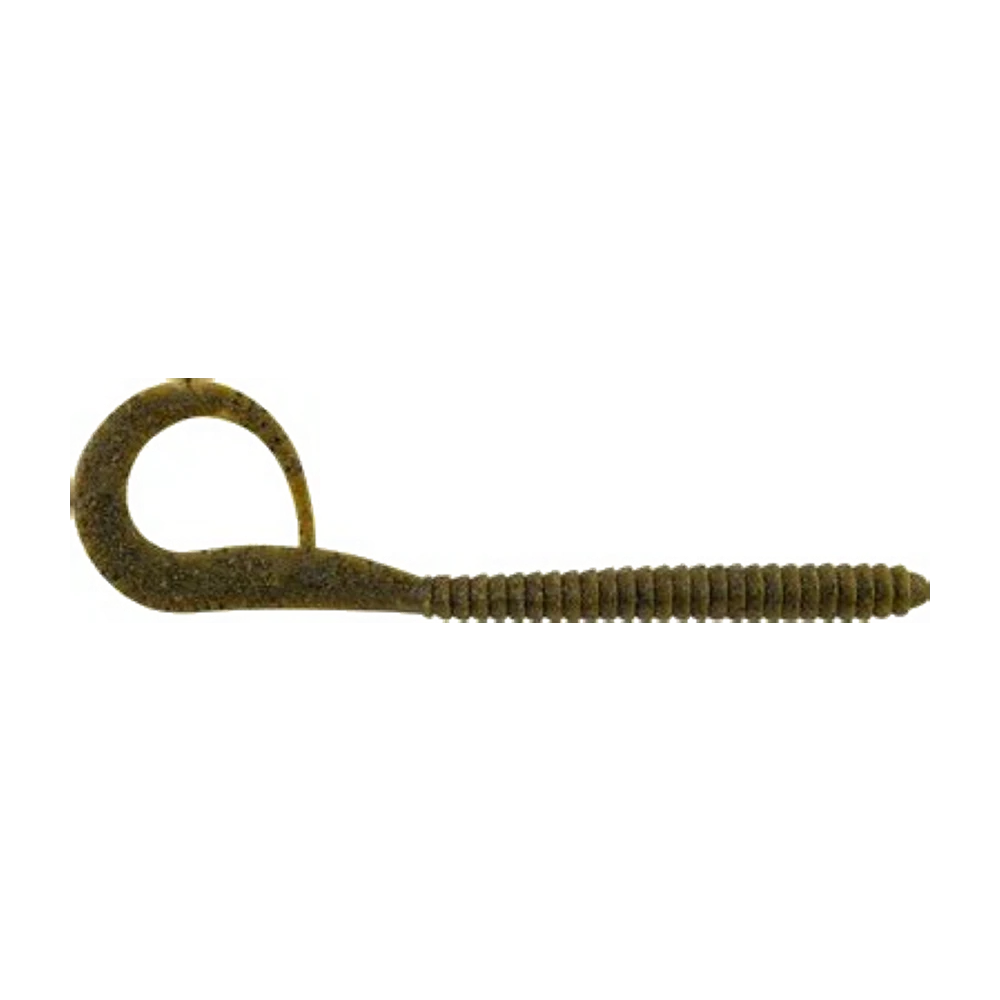
The KingTail adds a very slim tail to that base, one that undulates at speeds where a conventional paddle tail does nothing at all. Two features pulling in exactly the same direction: fish slowly, and let the fish take its time to commit.
What the scented compound does in practice
The MaxScent range uses a material that releases continuously into the water, rather than a simple surface coating. In concrete terms, you notice three things on the bank.
- Bites are more decisive. Instead of a brief contact, you often feel a hold that settles in, sometimes a sideways move.
- The fish comes back more often after missing the lure. On neutral plastic, a zander that comes off almost never returns.
- Takes on a motionless lure work. Lure on the bottom, line semi-tight, no action at all: it becomes a genuine option, which makes no sense with a conventional shad.
The trade-off: this compound is softer and more fragile than standard plastisol. Reckon on one lure per two or three fish for pike, more for zander. Store them in their original box, they attack other plastics kept in contact with them.
The hookset: count before you lift
This is the real change of habit with this type of lure.
- Feel the bite without reacting. Keep the rod still, do not tighten further.
- Count one second, two if the bite is soft and hesitant.
- Check contact by gently taking up the slack until you feel the weight of the fish.
- Set sideways, rod out to the side, sweeping. No brutal vertical strike: on a jig head rig, you rip the lure out more often than you hook up.
On pike, cut that delay to half a second: a pike does not test, it takes. Waiting too long mostly increases the risk of a deep hookup.
On the water: if you are stacking up unconverted bites, do not change colour, slow down. Nine times out of ten in cold water the zander refuses the lure not because it cannot see it, but because it passes through its zone too fast. Drop one step in weight before touching anything else.
Choosing the weight
| Situation | Jig head | Note |
|---|---|---|
| Margins, under 2 m | 7 to 10 g | slow drop, bites on the fall |
| Lake, 3 to 5 m | 10 to 15 g | versatile, straight retrieve or lifts |
| Slow river, 4 to 7 m | 15 to 20 g | keeps contact without killing the action |
| Current or over 8 m | 20 to 30 g | favour short lifts |
The shape of the head matters as much as the weight. A round head suits a straight retrieve and clean bottom. A football head holds better on rock and tips the lure nose down on the pause, which extends the presentation phase — a detail that counts when what you want is precisely to let the fish commit. The simple jig head rig remains the benchmark, but the Texas rig becomes interesting as soon as there is wood about.
The three retrieves that pay off the slim tail
The straight retrieve just off the bottom. Cast, let it sink, then retrieve very gently while keeping permanent contact. The slim tail works at speeds where you would swear you were moving nothing. This is the number one retrieve for cold water zander.
Wide lifts with a free fall. Two one-metre lifts of the rod, then let it drop back on a semi-tight line. The bite almost always comes during the fall, signalled by a line that stops too early or moves off sideways.
Drop and wait. Lure on the bottom, motionless, ten to fifteen seconds, then a twenty-centimetre lift. This is the retrieve that most directly exploits the scent release, and it is often the one that unlocks a hard day.
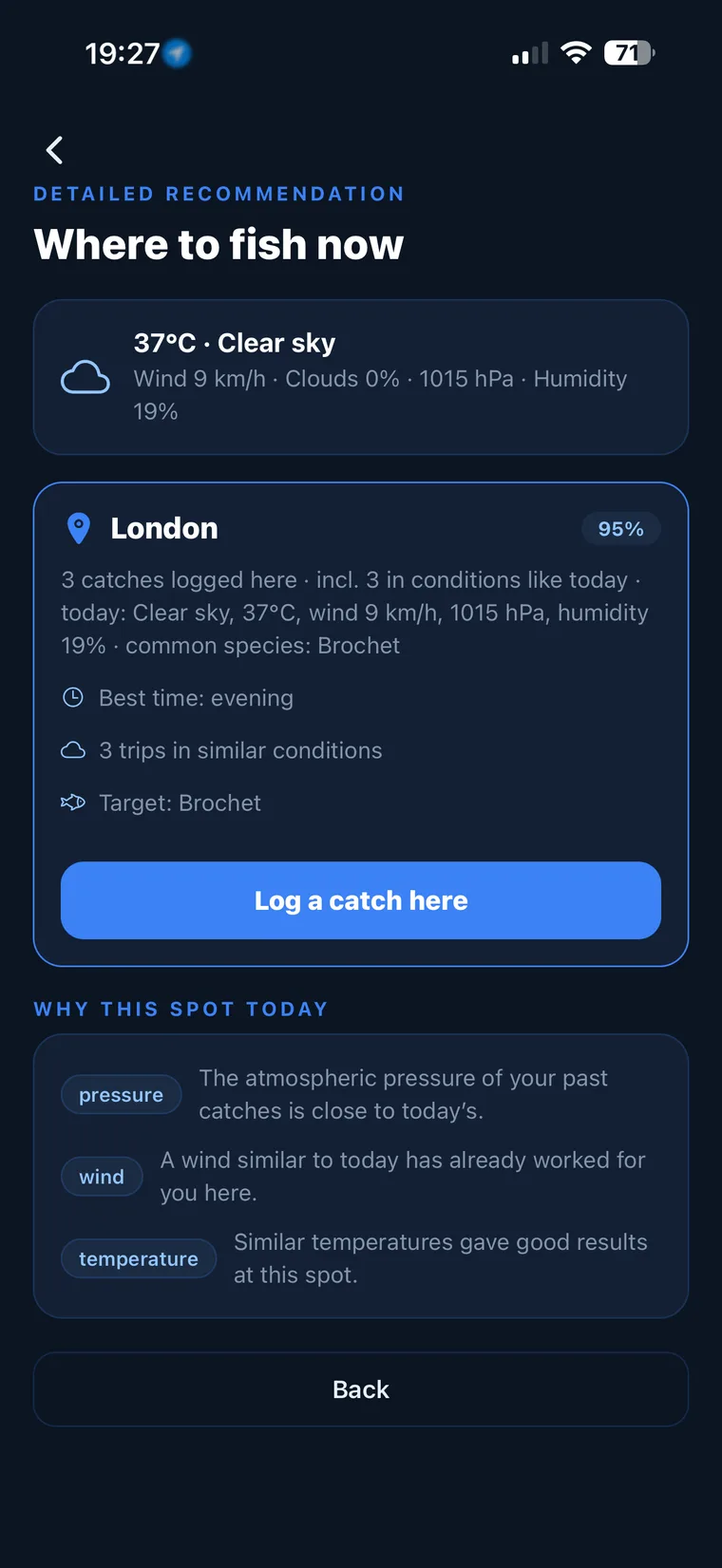
Not sure what to tie on?
Photograph your spot: CarnaFish reads the scene, cross-checks the conditions and gives you the zone, the lure and the retrieve. Free on iOS and Android.
Where it excels and where you need something else
It takes the advantage in cold water, below 10 °C, when the fish no longer chase. In stained water, where scent makes up for reduced visibility. And on very precise spots — a stump, a bridge pier — that you want to work at length without moving.
It is poorly suited, on the other hand, to fast searching over large areas: too slow, and the lure wears fast if you pile up casts among rocks. It is no good either in strong current where the slim tail stalls, or in situations where the fish are actively hunting in open water — there, a shad with more vibration will do better.
For pike, add a stinger hook: attacks from behind are frequent and the soft compound tears easily if the fish only takes the tail.
KingTail or paddle tail shad
The Westin ShadTeez and paddle tail shads produce a decisive vibration, detectable from a distance by the lateral line. They stay superior whenever you need to call in scattered fish or fish with some rhythm.
The KingTail plays a different card: less vibration, more chemical signal and an undulation that persists at almost zero speed. On a day when the ShadTeez draws follows without bites, switching to this type of compound often converts. Conversely, on active zander over a flat, the paddle tail takes the advantage back. The MaxScent The General uses the same compound in a worm format, for even more discreet presentations.
Our guide to zander fishing with lures covers how to read winter spots. And if you are torn between a vibrating shad and a scented compound when you reach the bank, CarnaFish analyses a photo of the spot and answers.
Key takeaways
- The scented compound extends how long the fish holds the lure: wait one second before setting.
- A slim tail that works at almost zero speed: this is a very slow retrieve lure.
- Drop and wait on the bottom is a retrieve in its own right with this type of compound.
- Tender material: carry spares and store it away from other plastics.
- Unsuited to fast searching and to strong current.
FAQ
Should you wait before setting the hook with a scented lure?
Yes, about one second on zander, more if the bite is soft. The fish holds the lure longer than neutral plastic, which lets you check contact before setting sideways. On pike, cut it to half a second.
Which jig head for the KingTail?
The lightest that keeps contact with the bottom: 7 to 10 g along the margins, 10 to 15 g down to 5 m, 15 to 20 g in a slow river, 20 to 30 g in current or deep water. Too heavy a head kills the falling phase.
Does MaxScent compound wear out fast?
Faster than a conventional plastisol, yes. Reckon on one lure per two or three pike. Keep them in their original box: in contact with other plastics, the material can degrade them.
Does this shad work in cold water?
That is precisely its best period. Below 10 °C the zander no longer chases, and the combination of slow undulation plus scent signal converts better than a fast shad.
Can you Texas rig it?
Yes, on a wide gap hook, which makes it weedless through wood and weed. A Texas rig slightly lowers the hookup rate but becomes essential on cluttered spots.
What is the difference with a conventional paddle tail shad?
The slim tail vibrates less but keeps working at very slow speed, and the compound releases scent continuously. Conversely, a paddle tail calls in better from a distance and tolerates a brisker retrieve.
The full zander lure guideSeason-by-season strategy: which family of lure, when, and why.Go from theory to fish
CarnaFish reads your spot from a photo and gives you the game plan: zone, lure, retrieve. Free on iOS and Android.